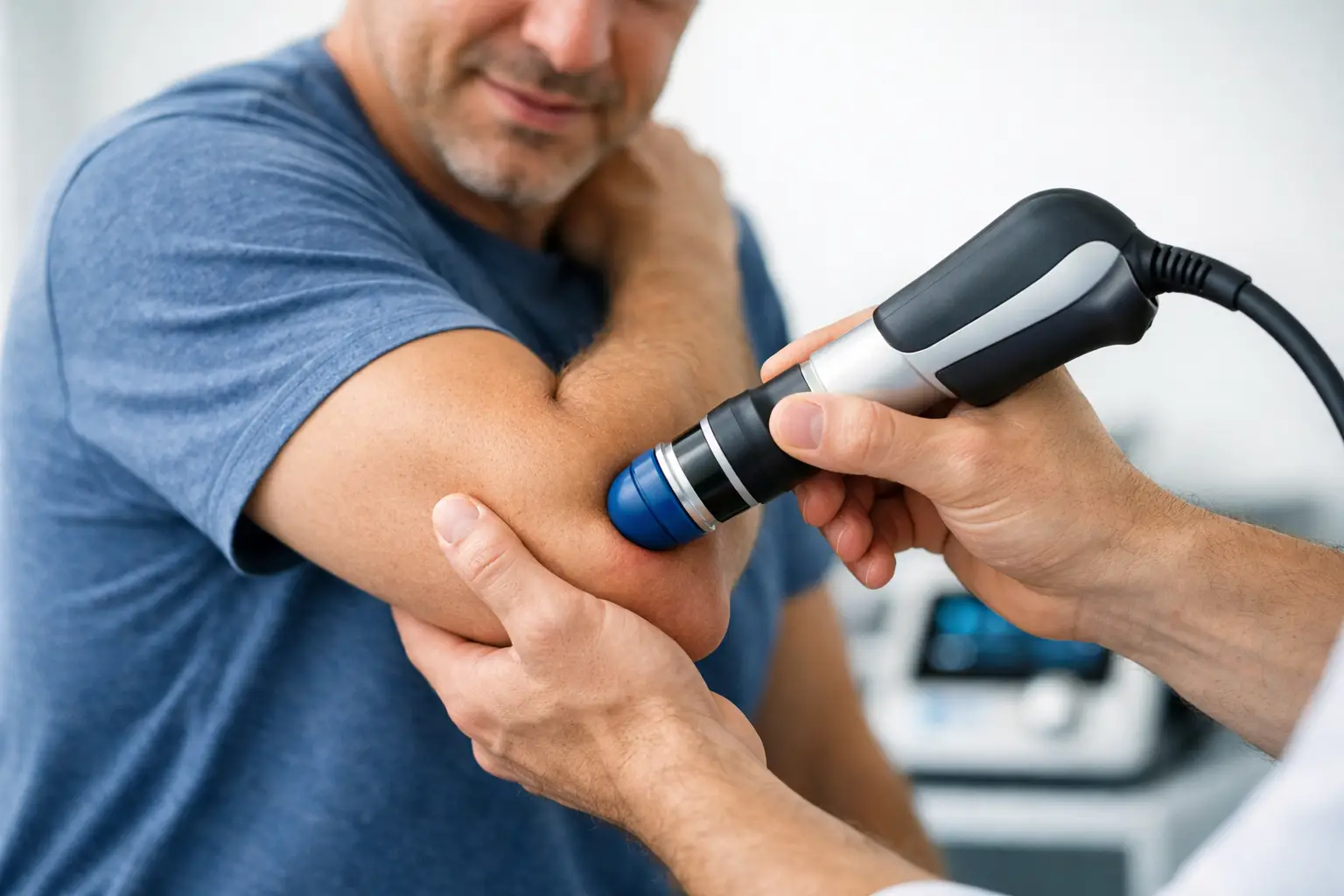

Knee Decompression Therapy Explained for Cedar Park Residents: Your Guide to Non-Surgical Knee Pain Relief
Persistent knee discomfort impacts many Cedar Park residents, making everyday activities like walking, climbing stairs, or enjoying weekend sports a challenge. Bell District Spine and Rehab’s Knee Decompression Therapy offers a non-surgical, drug-free solution that gently stretches the knee joint, reduces pressure, and encourages natural tissue repair. This guide will show you how this innovative approach works, the conditions it addresses from osteoarthritis to meniscus tears and its unique advantages, including lasting pain relief and enhanced flexibility. You’ll also discover why Bell District Spine and Rehab, led by Dr. John Tuggle and utilizing the precise Knee on Trac device, achieves superior results and what patients can expect during each session. Finally, we’ll share insights from real Cedar Park clients and common questions about this therapy.
What Is Knee Decompression Therapy and How Does It Work?
Knee Decompression Therapy is a non-invasive treatment that gently stretches the knee joint to relieve pressure on cartilage and soft tissues. Through controlled traction, this procedure creates micro-separations between the femur and tibia, improving the flow of nutrient-rich fluid and reducing inflammation. For instance, patients with early osteoarthritis often experience immediate relief from joint stiffness after their first few sessions. This process not only eases pain but also supports the body’s natural healing capabilities.
Research indicates that numerous non-surgical options exist for knee osteoarthritis, and understanding their respective risks and benefits is key to effective management.
Non-Surgical Treatment Options for Knee Osteoarthritis Explained
Knee osteoarthritis (OA) is a prevalent and debilitating condition for which a wide range of non-surgical treatment options are available. Although there is plethora of literature investigating their safety and efficacy, for many treatment modalities, a consensus has not yet been reached concerning efficacy. Therefore, it is essential for practitioners to understand the risks and benefits of the available treatments for the successful management of knee OA. This study explored the efficacy of non-surgical treatment options for knee OA including: (I) non-steroidal anti-inflammatory drugs (NSAIDs); (II) weight loss; (III) intra-articular injections; (IV) physical therapy; and (V) bracing.
Non-operative treatment options for knee osteoarthritis, N Sodhi, 2019
Beyond simple stretching, the therapy helps restore joint space, promotes cellular repair, and minimizes the compressive forces that worsen cartilage wear. As pressure decreases, pain signals subside, allowing for a greater range of motion. Consistent treatments encourage tissue regeneration and reduce long-term degeneration, paving the way for improved mobility and a return to cherished activities without relying on medication or surgery.
How Does the Knee on Trac Device Provide Precise and Comfortable Treatment?
The Knee on Trac device delivers Knee Decompression Therapy with exceptional accuracy, using computerized traction controls that adjust tension in real time. This advanced medical device features ergonomic padding and adaptive support to gently cradle the knee, ensuring uniform force distribution and patient comfort throughout each treatment cycle. By monitoring resistance feedback, it customizes the treatment to each individual’s anatomy, preventing overstretching and maximizing therapeutic benefits.
Key features of the Knee on Trac device include:
- Controlled Traction Pressure: Automated tension adjustments maintain optimal stretch without causing discomfort.
- Customized Treatment Cycles: Variable speeds and hold times adapt to each patient’s tolerance and condition.
- Comfort-Focused Design: Padded supports and adjustable straps safeguard soft tissues during sessions.
- Real-Time Monitoring: Sensor feedback ensures consistent force and tracks progress across treatments.
These sophisticated capabilities create a comfortable experience that builds patient confidence and encourages regular attendance, laying the foundation for sustained joint health.
What Makes Knee Decompression a Non-Invasive and Drug-Free Solution?
Knee Decompression Therapy bypasses the need for incisions, general anesthesia, and prescription medications by utilizing mechanical traction alone to achieve therapeutic results. Unlike injections or oral anti-inflammatories, which carry systemic risks, this procedure targets the knee joint directly, reducing inflammation and pain without exposing patients to drug side effects or surgical complications. As a precise alternative, it preserves joint integrity while accelerating recovery.
A comparative overview of non-invasive and standard medical approaches highlights this distinction:
| Approach | Intervention | Patient Impact |
|---|---|---|
| Knee Decompression Therapy | Controlled mechanical pull | Reduces joint pressure, promotes fluid exchange |
| Corticosteroid Injection | Local drug delivery | Short-term pain relief with potential tissue damage |
| Oral Anti-inflammatories | Systemic medication | Reduces inflammation but may cause gastrointestinal issues |
By choosing a drug-free method, patients achieve lasting relief with minimal risks, transitioning smoothly to improved function and a better quality of life without dependence on pharmaceuticals.
Which Knee Conditions Can Knee Decompression Therapy Effectively Treat?

Knee Decompression Therapy addresses a variety of musculoskeletal conditions by targeting the root cause of pain—excessive joint pressure and restricted nutrient flow. Whether stemming from degenerative cartilage breakdown or acute soft tissue injury, this therapy restores optimal joint mechanics, making it an effective option for diverse knee ailments.
The application of specific decompression techniques, such as Cox flexion distraction, has shown promise in clinical settings for knee pain and osteoarthritis.
Cox Flexion Distraction Decompression for Knee Pain and Osteoarthritis
The purpose of this study is to introduce the application of Cox flexion distraction decompression as an innovative approach to treating knee pain and osteoarthritis. Six months of clinical files from one chiropractic practice were retrospectively screened for patients who had been treated for knee pain. Twenty-five patients met the criteria for inclusion. The treatment provided was Cox flexion distraction decompression. Pre-treatment and post-treatment visual analog pain scales (VAS) were used to measure the results.
Innovative application of Cox Flexion Distraction Decompression to the knee: a retrospective case series, 2017
In Cedar Park patients, practitioners observe significant improvements across common diagnoses, paving the way for targeted relief and long-term joint preservation.
How Does Knee Decompression Help Osteoarthritis in Cedar Park Patients?
By gently separating the joint surfaces, Knee Decompression Therapy reduces the compressive forces on worn cartilage characteristic of osteoarthritis. This pressure reduction not only eases pain but also promotes synovial fluid circulation, which nourishes remaining cartilage and may slow degenerative progression. Patients frequently report reduced stiffness and greater comfort when standing up from a seated position or walking.
With successive sessions, anti-inflammatory responses become more pronounced as nutrient delivery improves. This biomechanical correction supports daily function, allowing individuals to resume community activities—like exploring local hiking trails—without the discomfort that previously limited their mobility.
Can Knee Decompression Therapy Treat Meniscus Tears Without Surgery?
Knee Decompression Therapy can alleviate pain associated with meniscus tears by creating a micro-vacuum effect that reduces bulging and encourages internal fluid exchange around the injured tissue. This targeted stretch relieves mechanical impingement, decreasing inflammation and allowing the meniscal fibers to heal more effectively. Patients with partial tears often avoid the lengthy recovery of arthroscopic repair by following a decompression regimen.
As inflammation subsides, physical rehabilitation exercises become more manageable, enhancing strength and stability without invasive procedures. This integrated approach accelerates functional recovery and minimizes downtime from work or sports.
How Are Ligament Injuries and Patellar Tracking Problems Managed with This Therapy?
For ligament sprains and issues with patellar alignment, decompression creates space within the joint to ease strain on stretched or misaligned structures. By reducing compressive loads, the therapy allows ligaments to rest, decreasing pain and swelling while facilitating gradual tissue repair. Improved alignment from relieved pressure also helps correct kneecap tracking problems, preventing recurrent displacement.
Subsequent strengthening exercises benefit from this improved mechanical environment, as patients experience less discomfort during rehabilitation movements. This combination of decompression and exercise therapy restores stability and joint integrity over the course of treatment.
What Role Does Knee Decompression Play in Managing Chronic Knee Pain?
Chronic knee pain often stems from sustained joint compression, inflammation, and reduced fluid exchange. By implementing controlled traction cycles, decompression addresses all these factors simultaneously, breaking the cycle of pain and limited function. Over time, consistent sessions decrease inflammatory mediators and support tissue regeneration, leading to cumulative relief and enhanced flexibility.
This gradual restoration of joint health empowers residents to maintain active lifestyles, reducing reliance on pain medications and fostering long-term well-being through natural healing mechanisms.
What Are the Key Benefits of Knee Decompression Therapy for Cedar Park Residents?

Residents who choose Knee Decompression Therapy at Bell District Spine and Rehab experience a range of clinical advantages that go far beyond temporary relief. Core benefits include reduced pain, improved mobility, and decreased inflammation—all achieved without drugs or surgery. These outcomes enhance daily function and support overall knee health, aligning with patient goals for safe, lasting recovery.
Effective non-surgical treatments for knee osteoarthritis pain include a variety of options that can decrease pain and improve function.
Effective Non-Surgical Treatments for Knee Osteoarthritis Pain
Knee osteoarthritis is a common disabling condition that affects more than one-third of persons older than 65 years. Exercise, weight loss, physical therapy, intra-articular corticosteroid injections, and the use of nonsteroidal anti-inflammatory drugs and braces or heel wedges decrease pain and improve function. Acetaminophen, glucosamine, ginger, S-adenosylmethionine (SAM-e), capsaicin cream, topical nonsteroidal anti-inflammatory drugs, acupuncture, and tai chi may offer some benefit.
Treatment of knee osteoarthritis, 2011
By addressing the fundamental mechanical issues within the knee joint, this therapy delivers transformative results, enabling Cedar Park individuals to reclaim active lifestyles and avoid invasive interventions.
- Pain Relief: Diminishes pressure points and soothes nociceptive pathways.
- Improved Mobility: Restores natural joint space to enhance range of motion.
- Reduced Inflammation: Boosts synovial fluid flow to flush inflammatory mediators.
- Drug-Free Protocol: Eliminates risks associated with systemic medications.
- Avoids Surgery: Provides a non-invasive alternative that preserves joint structures.
How Does This Therapy Provide Lasting Pain Relief and Reduce Inflammation?
By mechanically stretching the joint capsule, Knee Decompression Therapy interrupts pain signaling and allows previously compressed tissues to relax. This process lowers inflammatory cytokine levels and encourages the influx of nutrient-rich fluid, which supports cartilage repair. Patients consistently report that pain relief persists between sessions, indicating a cumulative therapeutic effect.
Furthermore, reduced inflammation leads to less joint swelling and greater comfort during everyday activities, establishing a positive feedback loop that promotes adherence to rehabilitation exercises and further recovery.
In What Ways Does Knee Decompression Improve Joint Mobility and Flexibility?
As decompression restores joint space, synovial viscosity increases, lubricating articulating surfaces and reducing friction. This improved fluid dynamics enable smoother movement and a broader range of motion for flexion and extension. Over multiple treatments, scar tissue and adhesions within the capsule soften, leading to lasting gains in flexibility.
Enhanced mobility eases participation in community activities, from local yoga classes to weekend tennis matches, reinforcing the benefits of a non-surgical, drug-free approach.
How Does Avoiding Surgery and Medication Impact Patient Outcomes?
Choosing a non-invasive therapy spares patients from surgical risks such as infection, anesthesia complications, and extended rehabilitation. Without reliance on medications, individuals avoid side effects like gastrointestinal irritation or dependency concerns. This holistic pathway fosters quicker return to normal routines and minimizes healthcare costs associated with operative interventions.
Ultimately, patients gain confidence in their joint health, reducing anxiety about future surgeries and maintaining quality of life through minimally disruptive care.
Why Choose Bell District Spine and Rehab for Knee Decompression Therapy in Cedar Park?
Bell District Spine and Rehab combines advanced technology with a patient-centered philosophy, making it the premier destination for Knee Decompression Therapy in Cedar Park. The clinic’s holistic model integrates decompression with chiropractic adjustments, targeted rehabilitation exercises, and nutrition guidance to address underlying dysfunction. Under the supervision of Dr. John Tuggle, each treatment plan is customized to individual anatomy and lifestyle, ensuring optimal outcomes.
Local residents appreciate the comfortable clinic environment, skilled staff, and evidence-based protocols that prioritize non-invasive recovery and long-term joint preservation.
What Expertise Does Dr. John Tuggle Bring to Knee Pain Treatment?
Dr. John Tuggle, a seasoned chiropractor at Bell District Spine and Rehab, specializes in musculoskeletal rehabilitation with a focus on non-surgical therapies. His extensive training in traction-based treatments and commitment to ongoing clinical education enable him to tailor decompression protocols to each patient’s condition and tolerance. This expertise fosters precise therapy delivery and consistently high satisfaction rates.
By combining manual adjustments with decompression cycles, Dr. Tuggle addresses both structural alignment and pain mediation, providing comprehensive knee care.
How Does the Clinic’s Holistic Approach Enhance Knee Health?
Beyond decompression, Bell District Spine and Rehab emphasizes complementary therapies—such as therapeutic ultrasound, targeted strengthening, and gait analysis—to reinforce joint stability and function. Nutritional coaching supports tissue healing by recommending anti-inflammatory diets that complement mechanical therapy. This integrative strategy ensures that healing extends beyond isolated sessions, promoting systemic wellness and lasting resilience.
Such a broad approach accelerates recovery and prevents recurrence by addressing biomechanical, nutritional, and lifestyle factors simultaneously.
What Makes the Knee on Trac Device at Bell District Unique?
The Knee on Trac system at Bell District Spine and Rehab features proprietary enhancements—such as precision-calibrated tension motors and ergonomic stabilization—that surpass standard traction units. These refinements deliver more accurate force application, ensuring reproducible results and minimizing discomfort. Continuous monitoring software tracks progress and adjusts parameters, providing data-driven insights that guide treatment progression.
This level of technological sophistication translates into more efficient sessions and faster patient improvements.
How Convenient Is Access to Knee Decompression Therapy in Cedar Park?
Located within Cedar Park’s medical corridor, Bell District Spine and Rehab offers flexible scheduling with early and late appointment options to accommodate diverse work and family commitments. The clinic’s streamlined intake process and dedicated therapy suite reduce wait times and enhance the overall patient experience. Proximity to major roads and ample parking further simplifies visits, enabling individuals to integrate therapy seamlessly into busy routines.
Convenience fosters consistent attendance, which is critical for achieving lasting therapeutic benefits.
What Can Patients Expect During Knee Decompression Therapy Sessions?
From the moment patients arrive, they encounter a structured process designed to maximize comfort and outcomes. An initial assessment includes detailed evaluation of knee alignment, range of motion, and pain patterns. Customized decompression parameters are then programmed into the Knee on Trac device, ensuring personalized traction cycles based on tissue response and tolerance.
This systematic approach ensures each session builds on previous progress, making treatment efficient and predictable.
How Is a Typical Treatment Session Structured?
Sessions begin with a brief warm-up involving gentle stretching and heat application to relax supporting muscles. Patients are then positioned in the Knee on Trac device, which initiates a series of controlled traction and release cycles lasting approximately 20–30 minutes. Throughout, clinicians monitor patient feedback and adjust settings to maintain comfort while achieving therapeutic goals. The session concludes with guided range-of-motion exercises and soft-tissue mobilization to reinforce decompression effects.
Such structure balances mechanical intervention with active rehabilitation for comprehensive care.
Are There Any Risks or Side Effects Associated with the Therapy?
Knee Decompression Therapy carries minimal risks, primarily limited to mild, temporary discomfort or muscle soreness following initial sessions. Because the approach is non-invasive and does not involve pharmaceuticals, there is no risk of infection or systemic side effects. Clinicians screen for contraindications—such as advanced osteoporosis or acute fractures—to ensure patient safety. When administered by trained professionals, the procedure remains one of the safest options for knee pain management.
This favorable safety profile makes decompression an attractive alternative for many individuals.
How Many Sessions Are Usually Needed for Effective Results?
Most patients experience measurable pain reduction and mobility gains within 6 to 10 sessions, with treatment plans tailored to individual severity and response. Sessions are typically scheduled two to three times per week, allowing consistent progress while giving tissues time to adapt and heal. As symptoms improve, frequency decreases, transitioning to maintenance visits that preserve joint health over the long term. This phased protocol ensures sustainable outcomes and prevents rapid regression.
Such a structured plan optimizes healing while respecting the body’s natural recovery timelines.
What Do Cedar Park Patients Say About Their Knee Decompression Therapy Results?
Cedar Park residents report significant reductions in pain, enhanced mobility, and a renewed ability to engage in favorite activities—whether hiking nearby trails or playing with grandchildren. Patient testimonials highlight not only physical improvements but also restored confidence and independence. These stories underscore the transformative impact of combining advanced technology with expert care at Bell District Spine and Rehab.
Real-world outcomes reinforce the clinical benefits of this non-surgical approach.
Which Success Stories Highlight Osteoarthritis Relief?
One patient with moderate knee osteoarthritis described a 70 percent decrease in pain after eight sessions, enabling her to resume daily walks without stiffness. Enhanced joint lubrication reduced morning swelling, and she regained the ability to climb stairs comfortably. Her experience demonstrates how decompression can revitalize cartilage support and break the cycle of degenerative discomfort.
Such anecdotes validate therapy effectiveness for degenerative joint conditions.
How Have Patients Avoided Surgery Through This Therapy?
Several individuals facing potential knee replacement opted for Knee Decompression Therapy first—and deferred surgery indefinitely after achieving lasting relief. By improving joint mechanics and reducing inflammation, they regained function without the risks of operative interventions. These cases illustrate decompression’s power as a joint-preserving strategy that can postpone or eliminate the need for invasive procedures.
This non-surgical pathway empowers patients to explore safer, less disruptive options.
What Improvements in Mobility and Quality of Life Have Patients Experienced?
Clients commonly note newfound ease in activities like squatting, driving, and playing sports, attributing gains to restored range of motion and reduced discomfort. Enhanced stability allowed one local runner to complete her first 5K in years, and another regained confidence navigating uneven terrain on neighborhood hikes. These functional milestones reflect profound quality-of-life enhancements beyond simple pain relief.
Such real-life successes highlight the therapy’s practical, everyday value.
What Are the Most Common Questions About Knee Decompression Therapy?
Prospective patients often wonder about safety, mechanism of action, and logistical details before committing to therapy. Understanding how Knee Decompression promotes healing, how the Knee on Trac device operates, and what to expect financially and compared to alternatives helps set realistic expectations. Addressing these inquiries in advance fosters trust and clarity, enabling informed decisions about care.
Is Knee Decompression Therapy Safe and Effective?
Knee Decompression Therapy is widely regarded as both safe and effective when administered by trained professionals. Clinical research shows that controlled traction cycles significantly reduce pain and improve function in conditions like osteoarthritis and meniscus tears. Since it avoids surgical incisions and medications, the risk profile remains minimal, with most patients experiencing only mild, short-lived soreness.
This combination of documented efficacy and low risk underpins its reputation as a leading non-invasive knee treatment.
How Does the Knee on Trac Device Work to Relieve Knee Pain?
The Knee on Trac device applies precise mechanical tension to gently separate the femur and tibia, creating a controlled vacuum effect within the joint. This action increases synovial fluid flow, stretches soft tissues, and alleviates pressure on damaged cartilage. Sensor-driven feedback continuously adjusts force levels, ensuring patient comfort while achieving therapeutic traction.
By restoring joint spacing and nutrient exchange, the Knee on Trac device serves as the cornerstone of effective decompression therapy.
How Much Does Knee Decompression Therapy Cost in Cedar Park?
Treatment costs vary based on the number of sessions and individual care plans, but Knee Decompression Therapy at Bell District Spine and Rehab offers competitive pricing aligned with the value of non-invasive, drug-free care. Financial coordinators work directly with patients to outline transparent fee structures, explore insurance coverage options, and arrange flexible payment plans. This transparent approach removes uncertainty and makes advanced knee therapy accessible to more Cedar Park residents.
Clear cost communication instills confidence and supports informed commitment to treatment.
How Does Knee Decompression Compare to Other Knee Pain Treatments?
Unlike injections that provide short-term relief or surgeries that carry recovery burdens, Knee Decompression Therapy combines sustainable pain reduction with minimal downtime. Traditional physical therapy focuses on strengthening but may not address compressive forces, while decompression directly restores joint mechanics. This distinctive mechanism complements other modalities and often enhances overall rehabilitation outcomes.
As a result, decompression occupies a unique therapeutic niche that bridges conservative care and invasive interventions.
Can Knee Decompression Therapy Prevent Future Knee Problems?
By restoring proper joint spacing, enhancing fluid exchange, and supporting tissue repair, decompression therapy establishes a healthier biomechanical environment that resists further degeneration. Regular maintenance sessions help preserve cartilage integrity and reduce recurrent inflammation. This proactive strategy not only addresses current symptoms but also contributes to long-term joint resilience, delaying or preventing more serious knee conditions.
A focus on preventive decompression positions patients for lasting knee health and sustained mobility.
Bell District Spine and Rehab invites Cedar Park residents to experience advanced, non-surgical knee care under expert guidance. With personalized treatment plans, state-of-the-art Knee on Trac technology, and a holistic philosophy, patients gain transformative relief and renewed function. Embrace a future free from chronic knee pain—schedule a consultation today to learn how decompression therapy can restore your mobility and quality of life.
Frequently Asked Questions
What is the typical duration of a Knee Decompression Therapy session?
A typical Knee Decompression Therapy session lasts between 20 to 30 minutes. Each session begins with a brief warm-up to relax the muscles, followed by the application of controlled traction using the Knee on Trac device. The duration allows for effective treatment while ensuring patient comfort. Throughout the session, clinicians monitor feedback and adjust settings as needed to optimize therapeutic outcomes. This structured approach helps maximize the benefits of each visit, contributing to overall treatment success.
How does Knee Decompression Therapy differ from traditional physical therapy?
Knee Decompression Therapy specifically targets joint mechanics by applying controlled traction to relieve pressure on the knee joint, which is not typically addressed in traditional physical therapy. While physical therapy often focuses on strengthening and flexibility exercises, decompression therapy directly improves joint spacing and nutrient flow. This unique mechanism can enhance the effectiveness of physical therapy by addressing underlying issues that contribute to pain and dysfunction, making it a complementary treatment option for comprehensive knee care.
Are there any specific conditions that would prevent someone from undergoing this therapy?
Yes, certain conditions may contraindicate Knee Decompression Therapy. Patients with advanced osteoporosis, acute fractures, or severe joint instability should avoid this treatment due to the risk of exacerbating their condition. Additionally, individuals with certain infections or inflammatory diseases affecting the knee may not be suitable candidates. A thorough assessment by a qualified clinician is essential to determine if this therapy is appropriate, ensuring patient safety and optimal treatment outcomes.
What should patients do to prepare for their first Knee Decompression Therapy session?
To prepare for the first Knee Decompression Therapy session, patients should wear comfortable clothing that allows easy movement. It’s advisable to arrive a few minutes early to complete any necessary paperwork and discuss medical history with the clinician. Patients should also bring any relevant medical records or imaging studies that can provide insight into their knee condition. This preparation helps ensure a smooth initial assessment and allows for a personalized treatment plan to be developed.
How does the clinic ensure patient comfort during therapy sessions?
Patient comfort during Knee Decompression Therapy is prioritized through the use of the Knee on Trac device, which features ergonomic padding and adjustable supports. The device is designed to distribute force evenly and minimize discomfort. Clinicians continuously monitor patient feedback throughout the session, making real-time adjustments to tension and treatment parameters as needed. This attentive approach, combined with a calming clinic environment, helps create a positive experience that encourages patients to engage fully in their therapy.
Can patients continue their regular activities after undergoing Knee Decompression Therapy?
Yes, most patients can resume their regular activities shortly after undergoing Knee Decompression Therapy. The non-invasive nature of the treatment means there is minimal downtime, allowing individuals to engage in daily tasks and light activities. However, it is recommended to avoid high-impact sports or strenuous exercises immediately following sessions until advised by the clinician. This approach helps ensure that patients can enjoy the benefits of therapy while allowing their knees to recover and strengthen effectively.
What long-term benefits can patients expect from Knee Decompression Therapy?
Patients can expect several long-term benefits from Knee Decompression Therapy, including sustained pain relief, improved joint mobility, and enhanced overall knee function. By addressing the underlying issues of joint compression and inflammation, this therapy promotes tissue healing and prevents further degeneration. Regular sessions can help maintain joint health, reduce the risk of future knee problems, and support an active lifestyle. Many patients report a significant improvement in their quality of life, allowing them to engage in activities they enjoy without discomfort.