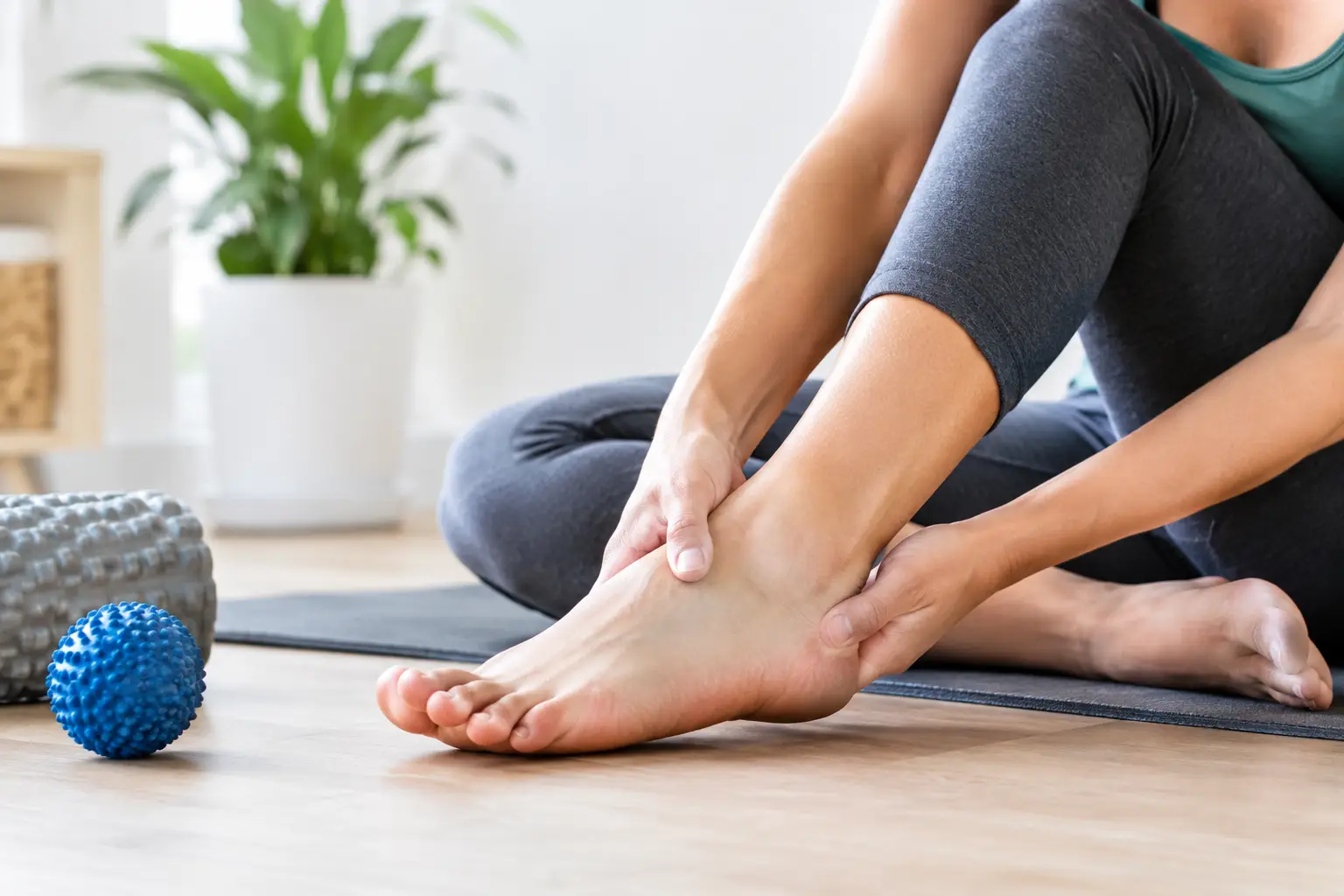

A run that feels easy on Monday can become a painful limp by Friday when small warning signs are ignored. Knowing how to prevent running injuries is less about finding one perfect shoe or stretch and more about building a body and training plan that can handle the demands you place on it. Whether you run neighborhood routes in Cedar Park, train for a race, or use the treadmill to stay active, consistent movement starts with smart preparation.
How to Prevent Running Injuries Before They Start
Most running injuries are not caused by one bad step. They develop when training load increases faster than your muscles, tendons, joints, and bones can adapt. Common problems such as runner’s knee, shin splints, Achilles tendinopathy, plantar fasciitis, hip pain, and low back pain often begin as mild tightness or soreness that gradually changes the way you move.
The goal is not to avoid every ache. Normal post-exercise muscle soreness can happen, especially after a new workout. The concern is pain that becomes sharper, stays in one specific area, worsens as you run, changes your stride, or lingers longer after each session. Treating those signals early can help prevent a manageable issue from becoming a prolonged setback.
Build Mileage Gradually
Your cardiovascular system may feel ready for longer or faster runs before your connective tissues are ready. This mismatch is one reason runners can feel fit while developing tendon, knee, or foot pain.
Increase one training variable at a time. If you add distance, keep the pace and hills similar for a week or two. If you introduce speed work, avoid adding a long run or steep hill session at the same time. A gradual progression gives your body time to adapt and makes it easier to identify what triggered symptoms if pain develops.
Your ideal progression depends on your running history, age, current fitness, recovery, footwear, work demands, and previous injuries. A newer runner may need several weeks at the same mileage before progressing. An experienced runner returning after time off should also rebuild patiently rather than trying to match an old training schedule immediately.
Include Recovery Days in the Plan
Rest is not lost training. It is when your body repairs tissue and adapts to the work you have done. Running hard every day can overload the same structures, particularly the calves, Achilles tendons, knees, hips, and lower back.
Schedule easier days after challenging workouts. Low-impact options such as walking, cycling, swimming, or mobility work can maintain activity without repeating the same impact forces. Sleep also matters. Poor sleep can reduce recovery, affect coordination, and make aches feel more intense.
If you are consistently sore, unusually fatigued, or seeing your pace decline at the same effort level, your body may need more recovery rather than more intensity.
Strength Training Protects Your Running Form
Running is repetitive. Every step requires your feet, calves, knees, hips, core, and spine to absorb and transfer force. When one area lacks strength or control, another area often compensates. That compensation can show up as knee pain, tight hip flexors, low back discomfort, or recurring calf strains.
Two strength sessions per week can make a meaningful difference for many runners. Focus on controlled movements that build capacity through the legs and trunk, such as squats or sit-to-stands, split squats, step-ups, calf raises, glute bridges, rows, and planks. The best exercise selection depends on your current movement abilities and any painful areas.
Calf strength deserves special attention. Your calves help control landing forces and drive you forward, yet they are frequently undertrained. Gradual calf raises with straight and bent knees can support both the larger calf muscle and the deeper soleus muscle, which works hard during distance running.
Strength work should challenge you without leaving you so sore that your running mechanics fall apart the next day. Start with manageable resistance and prioritize consistent, well-controlled repetitions over high volume.
Improve Mobility Without Chasing Extreme Flexibility
Runners do not need to be exceptionally flexible. They need enough mobility to move efficiently and enough stability to control that movement. For example, limited ankle motion may lead to compensations at the knee or hip, while poor hip control can allow the knee to collapse inward during landing.
A brief warm-up before a run can prepare your body more effectively than long static stretching. Try a few minutes of brisk walking followed by dynamic movements such as leg swings, controlled lunges, marching, and ankle circles. Save longer, relaxed stretches for after your run or later in the day if they feel helpful.
If a specific area always feels restricted, do not assume more stretching is the answer. Persistent tightness can be a protective response to weakness, poor movement control, joint irritation, or an underlying injury. A movement assessment can identify where your body is compensating and guide a more useful plan.
Pay Attention to Form, Terrain, and Footwear
There is no single perfect running form for everyone. However, a few practical adjustments can reduce unnecessary stress. Avoid overstriding, which happens when your foot lands too far in front of your body. Think about landing with a quiet, controlled step and keeping your cadence comfortable rather than forcing a dramatic change overnight.
Varying terrain can also help. A completely flat route repeats the same motion, while hills add greater demand to the calves, glutes, and Achilles tendons. Mix surfaces and routes when possible, but introduce trails, hills, and track workouts gradually. Uneven ground may be useful for some runners, but it is not the best place to start when you are dealing with ankle instability or active pain.
Shoes should feel comfortable, stable, and appropriate for your activity. More cushioning is not always better, and minimalist shoes are not automatically harmful. The right choice depends on your foot, your running experience, your training volume, and what your body tolerates. Replace shoes when the midsole feels compressed, the tread is significantly worn, or you notice a change in comfort or support.
Fuel and Hydrate for the Work You Are Doing
Under-fueling can make recovery harder and increase fatigue, which can affect mechanics late in a run. Eat enough overall calories for your activity level and include protein throughout the day to support tissue repair. Carbohydrates are particularly helpful around longer or more intense sessions because they provide readily available energy.
Hydration needs vary with heat, humidity, sweat rate, and the length of your run. Texas heat can turn an ordinary session into a demanding one quickly. Plan for fluids, ease back on pace when conditions are severe, and do not ignore dizziness, chills, nausea, or unusual weakness.
When Pain Means You Should Stop and Get Help
A mild ache that improves during a short easy run and is gone by the next day may simply warrant monitoring and a temporary reduction in training. Pain that increases as you run, causes limping, wakes you at night, or persists at rest needs more attention.
Stop running and seek prompt medical evaluation for sudden swelling, inability to bear weight, a popping sensation, significant bruising, numbness, weakness, or pain after a fall or twist. These symptoms can indicate an injury that should not be pushed through.
For recurring aches, early conservative care can be valuable. A clinician can assess your gait, joint mobility, muscle strength, training habits, and daily movement demands instead of only treating the painful spot. At Bell District Spine and Rehab, personalized chiropractic care, soft tissue treatment, movement analysis, and rehabilitation can help address contributing factors and support a safer return to running.
The most reliable way to stay on the road is to respect the small signals before they become big ones. Build gradually, recover deliberately, strengthen the areas that support your stride, and get answers when pain keeps returning. Running should add to your life, not limit it.