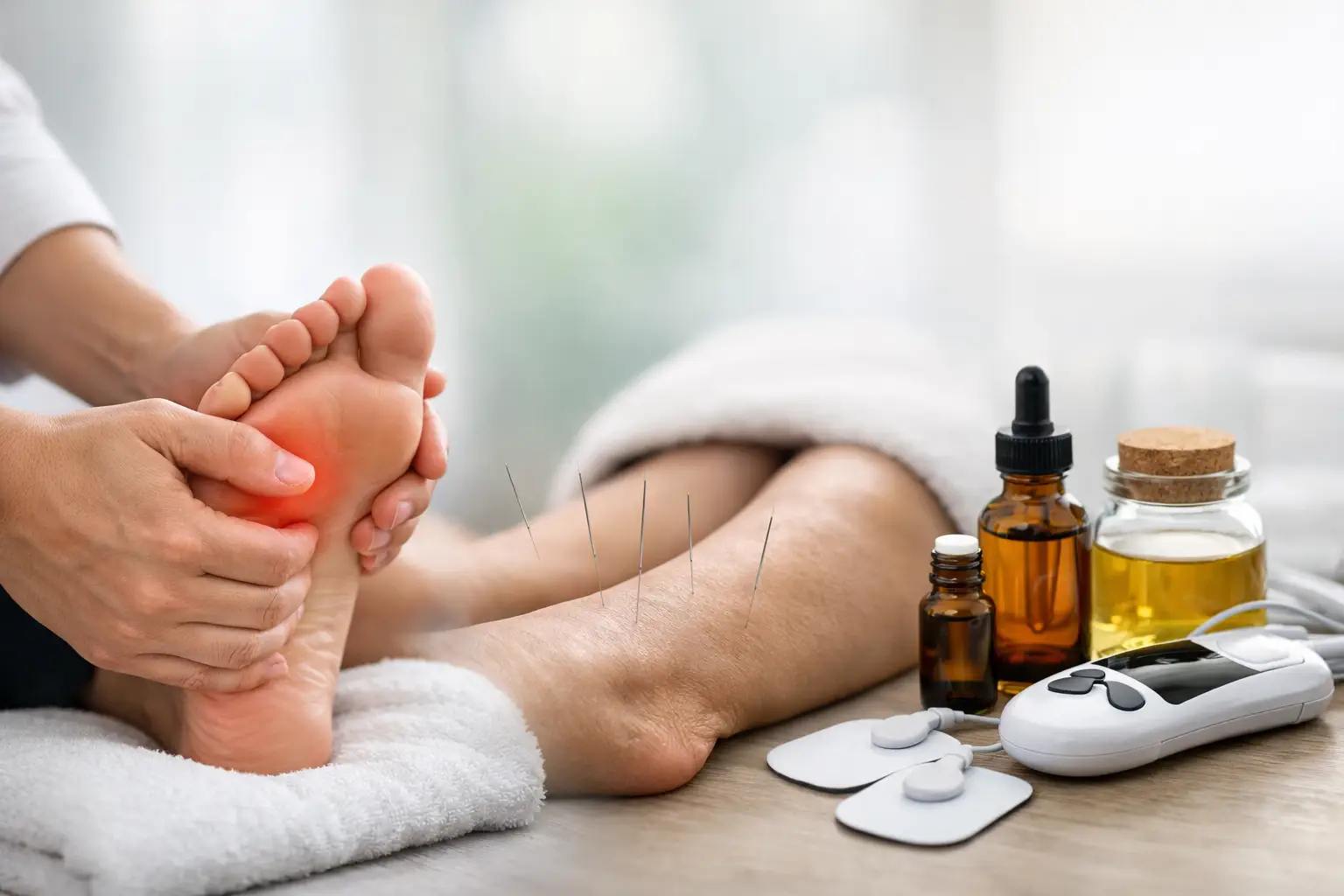

Sciatica pain can make everyday movement uncomfortable and frustrating. Many individuals experience sharp pain, tingling, numbness, or burning sensations that travel from the lower back into the hips, buttocks, or legs. In some cases, even sitting, walking, standing, or sleeping comfortably may become difficult when sciatic nerve irritation affects mobility and daily function.
Because sciatica often develops gradually, many people ignore early symptoms until the discomfort begins interfering with work, exercise, or normal activities. At Bell District Spine and Rehab, Dr. Michael Madorno provides personalized chiropractic and rehabilitation care designed to help patients improve movement, reduce nerve-related tension, and support natural sciatica pain relief without invasive procedures.
Understanding Sciatica Pain
Sciatica refers to symptoms caused by irritation or compression affecting the sciatic nerve, which is the largest nerve in the body. The sciatic nerve begins in the lower spine and travels through the hips, buttocks, and down each leg.
When surrounding structures place pressure on the nerve, symptoms may develop throughout the lower body.
Common sciatica symptoms may include:
- Sharp or radiating lower back pain
- Pain traveling into the leg
- Tingling or numbness
- Burning sensations
- Muscle weakness
- Hip or buttock discomfort
- Increased pain while sitting
- Difficulty walking comfortably
Symptoms may range from mild irritation to more persistent discomfort affecting mobility and physical activity.
Common Causes of Sciatica
Several movement-related and spinal conditions may contribute to sciatic nerve irritation.
Herniated or Bulging Discs
Spinal discs help cushion the vertebrae in the lower back. When a disc becomes irritated or shifts outward, it may place pressure on nearby nerves, including the sciatic nerve.
Muscle Tightness and Piriformis Syndrome
Tight muscles in the hips and gluteal region may compress or irritate the sciatic nerve. The piriformis muscle, located deep in the hip area, is commonly associated with sciatic-type symptoms.
Poor Posture and Prolonged Sitting
Long periods of sitting may increase stress on the lower spine and hips. Poor posture can also contribute to spinal imbalance and muscular tension affecting the sciatic nerve.
Repetitive Strain and Physical Activity
Heavy lifting, repetitive bending, physically demanding work, or sports-related stress may place additional pressure on the lower back and surrounding muscles.
Spinal Joint Dysfunction
Restricted movement and imbalance within the lower spine or pelvis may affect how weight and movement are distributed throughout the body, contributing to nerve irritation and muscular tension.
How Chiropractic Care May Help Sciatica Pain Relief
Chiropractic care focuses on improving movement patterns, spinal mobility, joint function, and muscular balance. Many individuals seek chiropractic treatment to help reduce tension surrounding the sciatic nerve and improve overall mobility naturally.
Improving Spinal and Joint Mobility
Restricted movement within the lower back and pelvis may increase pressure on surrounding nerves and muscles. Chiropractic adjustments may help improve joint mobility and support healthier movement patterns.
Reducing Muscular Tension
Tight muscles in the hips, glutes, and lower back may contribute to sciatic nerve irritation. Chiropractic care is often combined with soft tissue therapy, stretching, and rehabilitation exercises to help reduce muscular tension.
Supporting Better Posture
Poor posture and prolonged sitting habits may place stress on the lower spine and sciatic nerve. Chiropractic care may help improve posture and spinal alignment to reduce unnecessary strain throughout the lower body.
Encouraging Better Movement Patterns
Movement imbalance and compensation patterns can continue irritating the lower back and hips over time. Rehabilitation-focused care may help improve flexibility, stability, and movement efficiency during everyday activity.
Rehabilitation and Mobility-Focused Treatment
Sciatica symptoms often involve more than the nerve itself. Muscular tightness, posture-related stress, mobility limitations, and soft tissue restrictions may all contribute to ongoing discomfort.
Comprehensive rehabilitation care may include:
- Chiropractic adjustments
- Stretching programs
- Mobility exercises
- Soft tissue therapy
- Functional rehabilitation
- Posture-focused treatment
- Movement analysis
Combining multiple therapies may help support natural recovery and encourage more comfortable movement.
Everyday Habits That May Affect Sciatica
Certain daily habits may increase stress on the lower back and sciatic nerve over time.
Common contributing factors include:
- Sitting for long periods
- Poor workstation posture
- Lack of mobility and stretching
- Repetitive lifting movements
- Limited physical activity
- Muscle tightness from inactivity
Addressing these habits may help reduce recurring tension and improve overall spinal health.
When to Seek Professional Evaluation
Occasional lower back discomfort may improve with rest, but persistent sciatic symptoms should not always be ignored. Professional evaluation may help identify movement dysfunction, muscular imbalance, spinal stress, or soft tissue restrictions contributing to nerve irritation.
Individuals should consider professional care if symptoms:
- Continue for several weeks
- Spread into the leg or foot
- Cause tingling or numbness
- Limit walking or movement
- Interfere with sleep or exercise
- Frequently return during activity
Early care may help improve mobility and reduce long-term movement limitations.
FAQs:
How does mobility-focused rehabilitation support sciatica recovery?
Mobility-focused rehabilitation helps improve flexibility, posture, movement patterns, and muscular balance that may be contributing to pressure around the sciatic nerve.
Can poor posture contribute to sciatic nerve irritation?
Yes, poor sitting posture and spinal imbalance may increase strain on the lower back, hips, and surrounding muscles, potentially contributing to sciatic nerve tension over time.
Why is early treatment important for sciatica symptoms?
Addressing sciatic irritation early may help reduce compensation patterns, mobility limitations, and ongoing stress on the lower back and surrounding muscles before symptoms become more severe.
Can physically active individuals experience sciatica?
Yes, athletes and active adults may develop sciatica from repetitive movement, muscle tightness, overtraining, or physical strain affecting the lower back and hips.
How can daily habits affect sciatic nerve health?
Repetitive lifting, prolonged sitting, poor workstation setup, and limited stretching may gradually increase stress on the lower spine and contribute to sciatic nerve irritation.
Supporting Natural Sciatica Pain Relief
Sciatica pain can gradually affect comfort, flexibility, posture, and quality of life when nerve irritation limits normal movement. Chiropractic and rehabilitation care may help improve mobility, reduce muscular tension, and support healthier movement patterns naturally. With personalized treatment focused on movement and recovery, many individuals can improve physical function and return to daily activities with greater comfort and confidence.
Restore comfortable movement naturally with expert care at Bell District Spine and Rehab.