Sciatica can make a normal workday, grocery trip, or night of sleep feel like an endurance test. The best non surgical sciatica treatments do more than temporarily quiet pain traveling from the low back into the hip, leg, or foot. They identify what is irritating the nerve, restore safer movement, and build the strength needed to reduce future flare-ups.
For many people, sciatica improves without surgery. The right approach depends on the source of symptoms, how long they have lasted, and whether weakness or other warning signs are present. A personalized conservative care plan can often help patients get back to walking, working, exercising, and enjoying daily life with greater confidence.
What Causes Sciatica Pain?
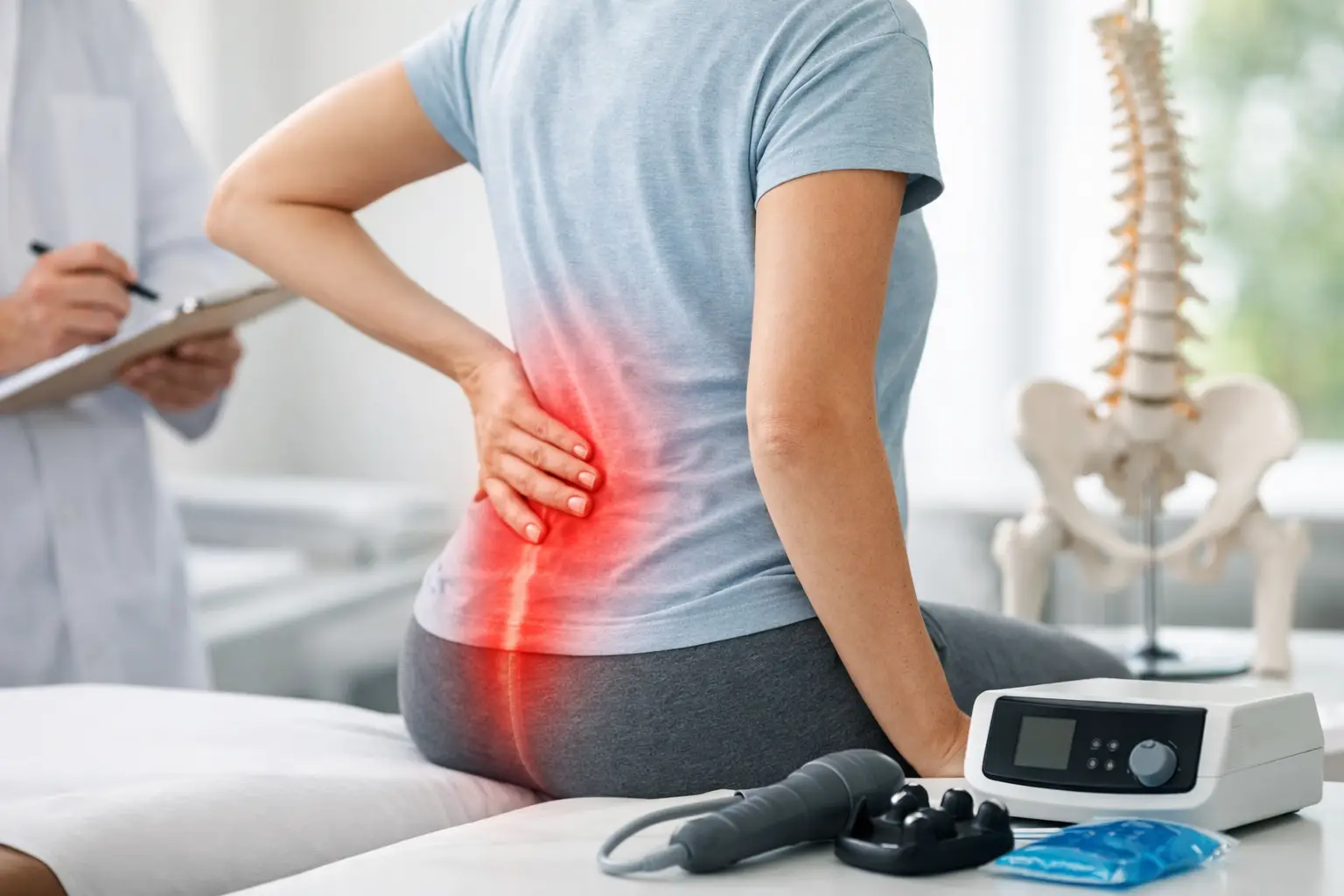
Sciatica is not a diagnosis by itself. It describes symptoms caused by irritation or compression of the sciatic nerve or one of the nerve roots that forms it in the lower back. Pain may feel sharp, burning, electric, aching, or numb. It often affects one side of the body and may travel below the knee.
A disc bulge or herniation is a common cause, especially after lifting, twisting, or prolonged sitting. Spinal stenosis, arthritis-related changes, degenerative disc conditions, joint dysfunction, and tight or irritated soft tissues can also contribute. In some cases, the problem is less about one isolated structure and more about how the spine, hips, core, and legs are moving together.
That is why a quick, one-size-fits-all answer rarely produces lasting relief. Effective care begins with a thorough assessment of symptoms, posture, range of motion, strength, reflexes, walking mechanics, and daily demands.
The Best Non-Surgical Sciatica Treatments Often Work Together
There is no single treatment that is best for every case of sciatica. The most successful plans typically combine hands-on care, progressive rehabilitation, and practical changes that reduce ongoing nerve irritation. Here are the conservative options that commonly play a meaningful role in recovery.
Targeted Chiropractic Care and Manual Therapy
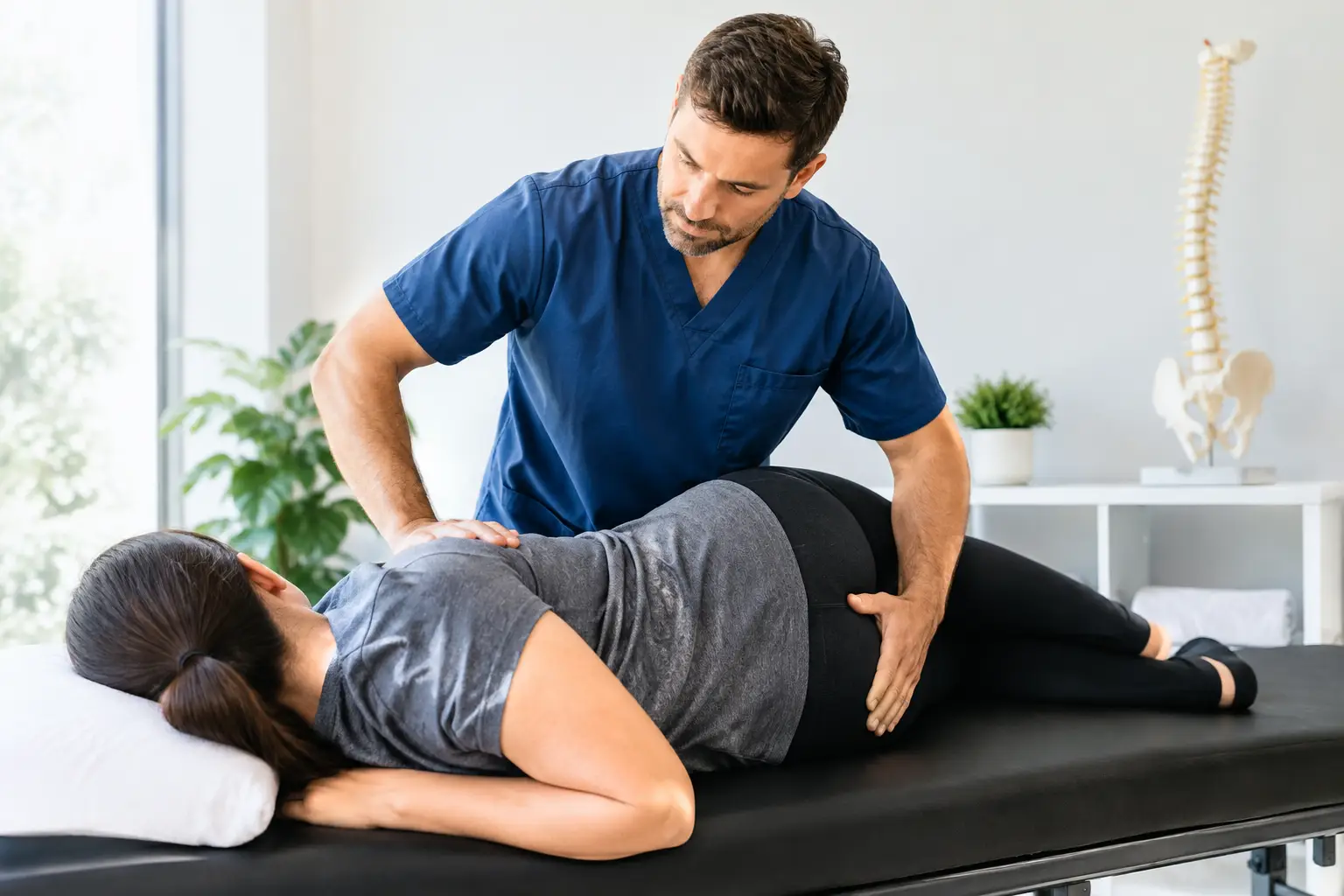
Gentle chiropractic adjustments and manual therapy can help improve joint motion in the spine and pelvis when restricted movement is contributing to pain. Better mobility may reduce mechanical stress, ease protective muscle guarding, and make it more comfortable to begin rehabilitative exercise.
Care should be specific to the patient. Someone with an acute disc-related flare-up may need a different approach than someone whose symptoms are tied to long-standing stiffness or spinal degeneration. A careful provider will modify techniques based on symptoms, tolerance, and clinical findings rather than forcing a painful adjustment.
Spinal Decompression
For some patients with disc-related pain, spinal decompression may be a helpful addition to a conservative plan. This non-invasive therapy uses controlled traction to create gentle changes in spinal loading. The goal is to reduce pressure on irritated structures and support a more comfortable healing environment.
Decompression is not a cure-all, and it is not appropriate for every spinal condition. Still, when a patient is properly screened and treatment is paired with rehabilitation, it can be a useful option for people trying to avoid medication dependence or surgery.
Personalized Rehabilitation Exercises
Rest can be useful for a brief period during a severe flare-up, but too much inactivity can make the back and hips stiffer and weaker. Guided rehabilitation helps patients reintroduce movement in a way that respects the irritated nerve while addressing the limitations that may have led to the problem.
A rehab program may include directional exercises for disc-related symptoms, core stabilization, hip mobility work, glute strengthening, balance training, and gradual walking progression. The details matter. An exercise that helps one person may worsen symptoms for another, which is why movement should be chosen after an examination rather than copied from a generic video.
The goal is not simply to stretch harder. It is to improve control, strength, and tolerance for the movements required by real life, whether that means sitting through meetings, picking up a child, training for a race, or getting in and out of a car without fear of a pain spike.
Soft Tissue Therapy and Functional Dry Needling
When the muscles around the low back, hip, and leg stay tight to protect a painful area, they can add to discomfort and limit movement. Soft tissue techniques can address muscle tension and restricted tissue quality while helping patients move more comfortably.
Functional dry needling may also be considered for certain muscular trigger points and movement restrictions. It is not designed to “fix” a compressed nerve on its own, but it can be a valuable part of a broader program when muscle dysfunction is keeping a patient stuck in a pain cycle.
Laser Therapy and Shockwave Therapy
Advanced therapies can support recovery in the right clinical setting. Laser therapy may be used to help manage pain and support tissue healing through light-based treatment. Shockwave therapy is more commonly used for certain tendon and soft tissue conditions, but may have a role when a related musculoskeletal issue is affecting how a patient moves.
These therapies are best viewed as supportive tools, not substitutes for a sound diagnosis and rehab plan. Lasting results usually come from combining symptom relief with improved movement habits and physical capacity.
Daily Activity Modification
Small changes at home and work can calm an aggravated nerve while the body recovers. This may mean breaking up long periods of sitting, using better lifting mechanics, adjusting a workstation, avoiding repeated bending during an acute flare, or changing training volume temporarily.
Avoiding all activity is usually not the answer. The better strategy is finding a tolerable level of movement and building from there. A clinician can help identify which activities are currently provocative and which movements can keep the body active without repeatedly triggering symptoms.
When Medication or Injections May Fit the Plan
Some people need short-term medical pain management to sleep, work, or participate in rehabilitation. Over-the-counter anti-inflammatory medication or prescription options may be appropriate when recommended by a qualified medical provider, especially during a severe episode.
Epidural steroid injections can also be considered in select cases when leg pain remains intense and limits progress with conservative care. They may reduce inflammation around an irritated nerve, but the benefit can be temporary. An injection does not correct poor movement patterns, weakness, or the underlying mechanical factors that may continue to overload the spine.
The decision is not always medication versus natural care. In some situations, coordinated care that uses temporary symptom relief while progressing rehabilitation is the most practical path forward.
When Sciatica Needs Urgent Medical Attention
Most sciatica is not an emergency, but certain symptoms require prompt medical evaluation. Seek urgent care for new bowel or bladder control problems, numbness in the groin or saddle area, rapidly worsening leg weakness, fever with severe back pain, or pain following significant trauma.
Persistent symptoms also deserve a professional assessment. If pain is getting worse, weakness is developing, or you are not improving with appropriate conservative care, further evaluation may be needed to determine whether imaging, medical referral, or another treatment path is appropriate.
A Better Goal Than Simply Chasing Pain Relief
Pain relief matters, especially when sciatica has limited your sleep, work, or family time. But the strongest non-surgical plan also asks why the nerve became irritated and what needs to change so the problem is less likely to return.
At Bell District Spine and Rehab, care can combine chiropractic treatment, spinal decompression, soft tissue therapies, movement analysis, and structured rehabilitation based on the individual patient. That combination allows treatment to evolve as pain improves and function returns.
If sciatica has made you cautious about every step, bend, or car ride, start with an assessment that looks beyond the painful spot. A clear diagnosis, the right progression of care, and steady rehabilitation can help you move toward a life with less pain and more freedom.