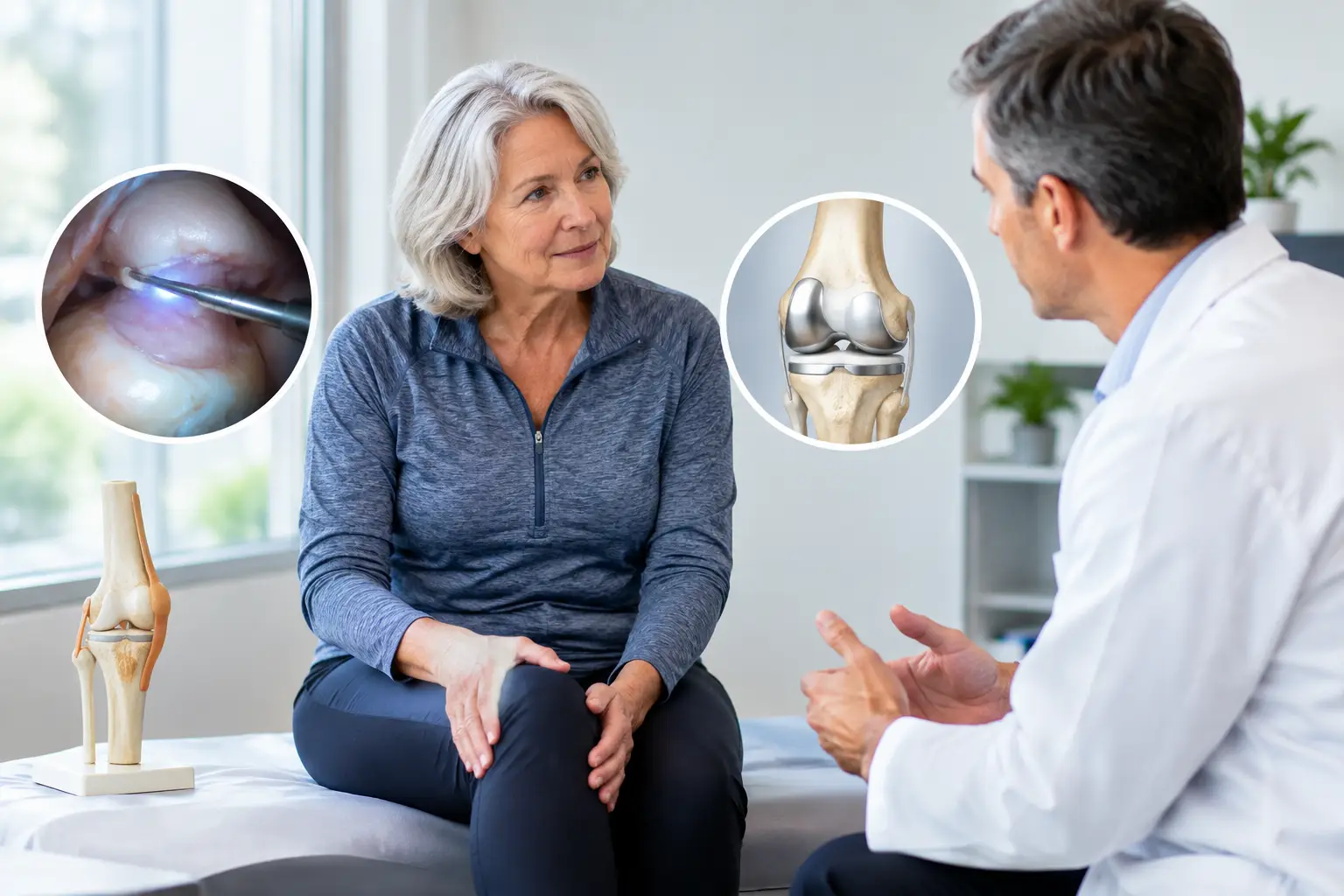
Back pain can make ordinary tasks feel calculated: getting out of the car, sitting through a meeting, picking up a child, or returning to the gym. A spinal decompression therapy review should answer more than whether the treatment feels good during an appointment. The practical question is whether it can reduce symptoms, improve movement, and help you return to daily life without relying only on medication or moving directly to surgery.
For the right patient, non-surgical spinal decompression can be a useful part of a conservative care plan. It is not a cure-all, and it is not appropriate for every diagnosis. Results depend on the source of pain, the severity and duration of symptoms, your overall health, and whether treatment is paired with rehab that improves how your body moves and supports the spine.
What Is Non-Surgical Spinal Decompression?
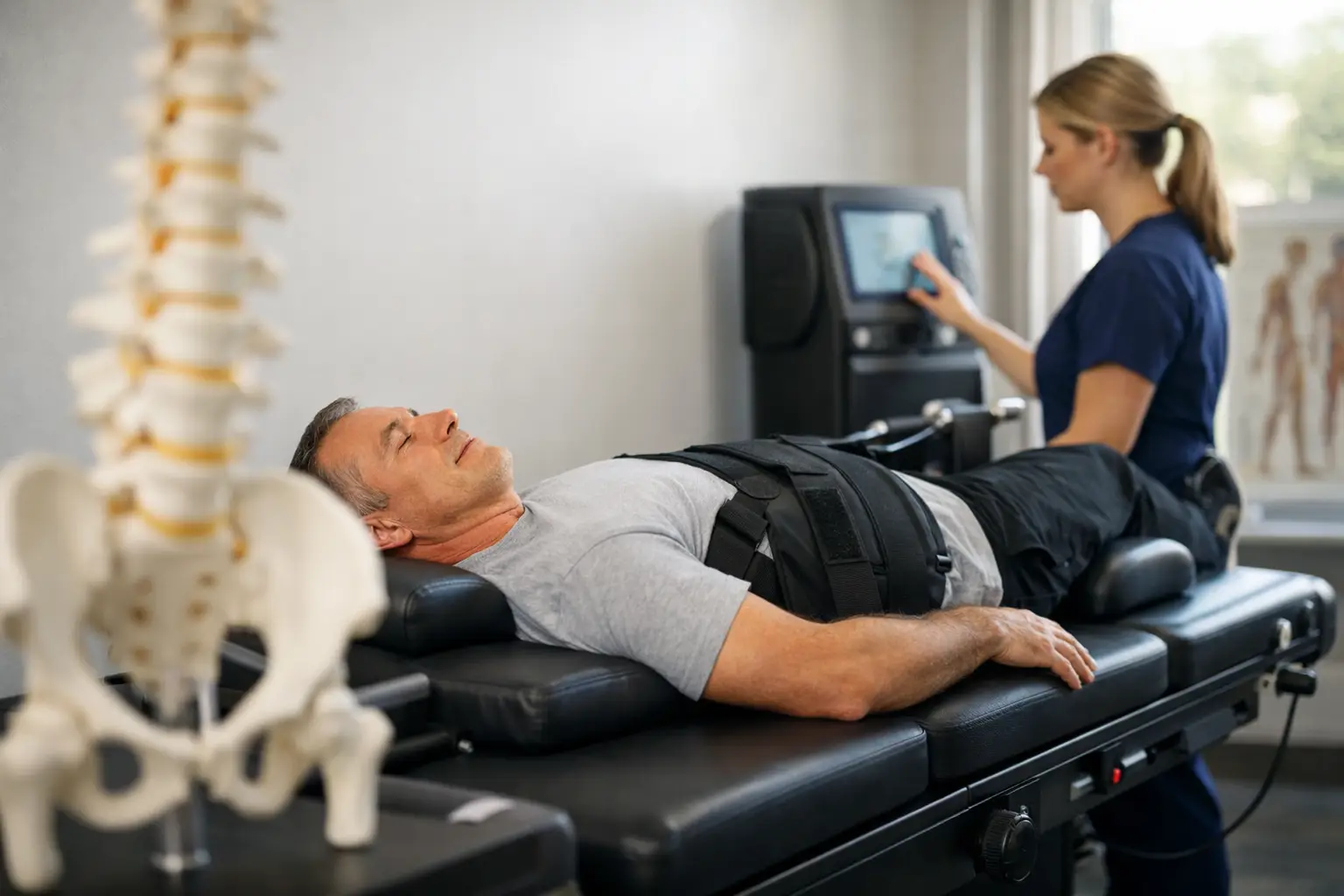
Non-surgical spinal decompression is a form of computer-guided traction. During treatment, you lie comfortably on a specialized table while a harness supports the pelvis and lower body. The system applies gentle, controlled pulling and relaxing cycles to the spine.
The goal is to reduce pressure through targeted spinal segments. This may create more room around irritated nerves, reduce stress on a painful disc, and ease muscle guarding. The gradual changes in tension are designed to make treatment more tolerable than basic traction for many patients.
Spinal decompression should not be confused with surgical decompression. Surgical procedures remove or alter tissue to relieve pressure on nerves. Non-surgical decompression is a conservative, external therapy that does not involve incisions, anesthesia, or recovery from an operation.
Spinal Decompression Therapy Review: What Can It Help?
People often consider decompression after developing persistent low back pain, leg pain, numbness, tingling, or stiffness that has not improved with rest alone. It may be considered for disc-related pain, sciatica, degenerative disc changes, facet irritation, and some cases of spinal narrowing. It can also be an option for people whose work, travel, training, or household responsibilities make prolonged downtime unrealistic.
The strongest candidate is not simply someone with an MRI finding. Many adults have disc bulges or degenerative changes without symptoms. A thorough exam should connect your pain pattern, movement limitations, neurological findings, and medical history before a treatment plan is recommended.
For example, a person with pain that travels from the low back into the buttock and leg may benefit if nerve irritation and disc loading appear to be part of the problem. Someone with mostly muscle soreness after an unfamiliar workout may need a different approach, such as hands-on care, targeted mobility work, and progressive strengthening. The diagnosis matters because effective conservative care should match the actual driver of symptoms.
What Does the Research and Real-World Experience Say?
Research on traction and non-surgical decompression is mixed. Some patients report meaningful pain reduction and improved function, particularly when care is part of a broader treatment program. At the same time, research has not shown that decompression works equally well for every type of back pain or that it can reliably replace surgery when surgery is medically necessary.
That does not make the therapy ineffective. It means the claims should stay realistic. Decompression may help reduce symptoms and create a more comfortable window for movement and rehabilitation. It cannot reverse every structural change in the spine, and it should not be presented as a guaranteed way to “put discs back in place.”
A clinically sound plan uses decompression as one tool rather than the entire answer. At Bell District Spine and Rehab, care may also include chiropractic adjustments when appropriate, soft tissue treatment, movement analysis, and structured rehabilitation. The goal is not only to help you feel better on the table. It is to help you tolerate sitting, walking, lifting, work, exercise, and the movements that matter in your life.
What a Treatment Course Usually Feels Like
A typical session is calm and non-invasive. You are secured with a comfortable harness, and the table delivers a series of controlled pulls and releases. Many patients describe a gentle stretching or unloading sensation. Treatment should not create sharp pain, worsening leg symptoms, or significant discomfort.
A care plan often includes multiple visits over several weeks, especially when symptoms have been present for months or involve a disc-related pattern. The exact number of visits should not be identical for every patient. Your provider should reassess your response through pain levels, daily function, range of motion, strength, and changes in numbness or radiating pain.
Some people notice relief early, while others improve gradually as pain settles and they regain confidence in movement. Temporary soreness can occur, particularly if surrounding muscles have been tense and protective. Clear communication matters. If symptoms are getting worse rather than better, the plan needs to be adjusted and, when necessary, further medical evaluation should be arranged.
Who Should Avoid Spinal Decompression?
Spinal decompression is not appropriate for every back condition. A responsible review includes safety screening, not just potential benefits. Conditions that may rule out treatment or require medical clearance include fracture, spinal instability, severe osteoporosis, spinal infection, cancer involving the spine, certain implanted devices, and some vascular conditions.
Pregnancy, recent surgery, significant abdominal or pelvic concerns, and severe neurological symptoms also require individualized guidance. New bowel or bladder changes, saddle numbness, rapidly progressing weakness, fever with severe back pain, or pain after major trauma need urgent medical attention rather than routine decompression therapy.
This screening is why an initial consultation should include more than a quick conversation and a treatment offer. A provider should review your health history, assess movement and nerve function, and determine whether imaging or referral is appropriate. Conservative care works best when it is delivered thoughtfully and within the right clinical boundaries.
The Difference Between Temporary Relief and Lasting Progress
Pain relief is valuable, but it is only one measure of success. If your pain improves but you still cannot hinge, squat, walk, sit, or lift without fear, the underlying movement problem may still limit you. Rehabilitation helps bridge the gap between symptom relief and a durable return to function.
That may involve restoring hip mobility, improving core endurance, strengthening the glutes and legs, addressing posture habits, or gradually reintroducing the activities you have avoided. The correct exercises are not necessarily complicated. They need to be specific to your condition, current capacity, and goals.
This is also where expectations matter. If a job requires long hours at a desk, the plan may include changes to sitting positions, movement breaks, and gradual conditioning. If you are an athlete, the focus may be on loading tolerance and a safe return to training. If you are managing age-related stiffness, the priority may be walking with less pain and staying independent. The same decompression table can serve different goals, but the treatment plan should not look identical for everyone.
Is Spinal Decompression Therapy Worth Trying?
For patients with appropriate disc-related or nerve-related symptoms, spinal decompression may be worth considering as part of a personalized, non-invasive plan. It can be especially appealing for adults who want to explore conservative care before escalating to injections, long-term medication use, or surgery. Still, value comes from proper diagnosis, safety screening, measurable progress, and rehab that supports the results.
The best next step is not to decide based on a promotional claim or a single online review. Seek an evaluation that explains what may be causing your symptoms, whether decompression fits your case, and what success would look like over the next several weeks. A thoughtful plan can give you a clearer path toward less pain, stronger movement, and more confidence in the activities you do every day.