Burning feet at night, tingling in the toes, sudden sensitivity to socks, or a feeling that the floor is uneven can make ordinary routines feel exhausting. Non invasive neuropathy treatment focuses on easing these disruptive symptoms while improving the movement, circulation, and physical function that support day-to-day comfort – without making medication or surgery the automatic first step.
Neuropathy is not one single condition, and it does not have one universal fix. A productive care plan starts by identifying what may be irritating or damaging the nerves, then choosing conservative therapies that fit the person, their health history, and their goals.
What neuropathy can feel like
Peripheral neuropathy affects nerves outside the brain and spinal cord, most commonly in the feet and lower legs, though symptoms can also occur in the hands. People may describe burning, pins and needles, numbness, electric-shock sensations, cramping, weakness, or pain that worsens at rest.
Symptoms can be related to diabetes, vitamin deficiencies, thyroid problems, medication effects, prior injuries, alcohol use, circulation concerns, or nerve irritation along the spine. In some cases, the cause remains unclear. That is why a careful evaluation matters. Treating every case as the same can delay the right care.
Numbness deserves particular attention because it can change balance and reduce awareness of cuts, pressure points, or temperature changes in the feet. For active adults, it may interfere with training, walking, and work. For older adults, it can increase the risk of falls.
What non invasive neuropathy treatment may include
Conservative care aims to improve function and reduce contributing stress on the nervous system. It does not promise to reverse every form of nerve damage, especially when symptoms have been present for years. However, many patients can work toward less pain, better mobility, improved confidence with movement, and a more manageable daily routine.
A thorough movement and nerve-focused evaluation
The first appointment should look beyond where symptoms are felt. Nerve symptoms in the foot, for example, may coexist with restricted ankle motion, altered gait, hip weakness, low-back dysfunction, or irritation around the spine.
A clinician may assess posture, walking mechanics, range of motion, strength, balance, reflexes, and areas of tenderness or sensitivity. Medical history is equally important. Diabetes status, recent medication changes, prior surgeries, nutritional factors, and the pattern of symptoms all help shape appropriate next steps.
This evaluation also helps determine when co-management with a primary care physician, neurologist, podiatrist, or other specialist is needed. Conservative treatment works best when it is part of coordinated care, not a substitute for necessary medical testing.
Chiropractic and manual care when mechanics contribute
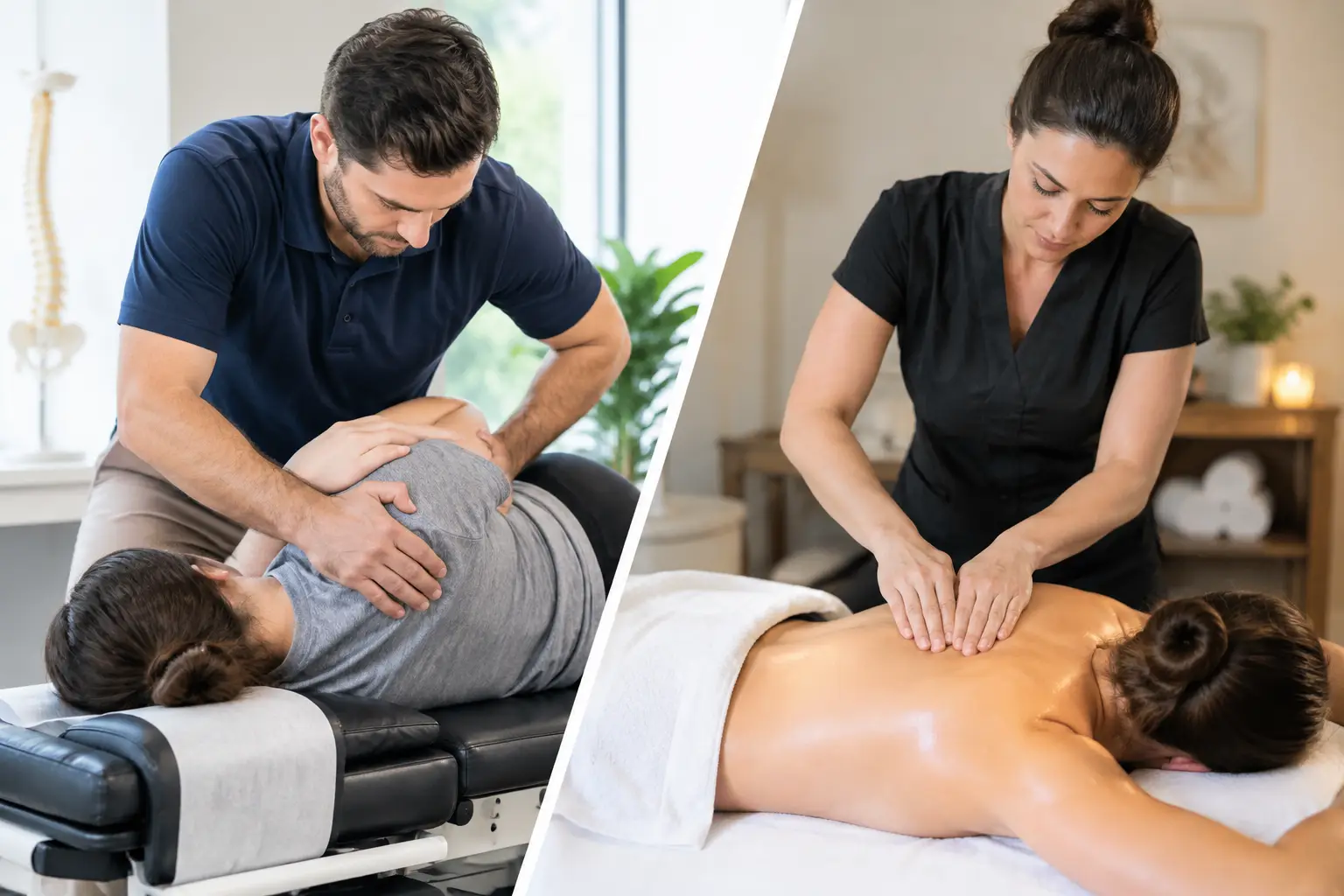
When joint restriction, muscle tension, or spinal dysfunction is contributing to nerve irritation, gentle chiropractic adjustments and manual techniques may be used to improve motion and reduce mechanical stress. This approach is not about treating every neuropathy symptom with a single adjustment. It is about addressing movement limitations that may be adding to the problem.
For someone with lower-back stiffness and radiating leg symptoms, restoring better spinal and hip movement may help make walking and rehabilitation more comfortable. The appropriate techniques depend on the patient’s age, comfort level, imaging or medical findings, and overall health.
Targeted rehabilitation and balance training
Rehabilitation is often one of the most practical parts of a neuropathy plan. Specific exercises can improve ankle mobility, foot and lower-leg strength, hip stability, balance, and walking mechanics. These changes may reduce compensations that make pain and instability worse.
The goal is not to push through severe symptoms. A well-designed program uses manageable progressions and monitors how the body responds. A person who struggles to stand at the kitchen counter for ten minutes needs a different starting point than an athlete trying to return to running.
Balance work can be especially valuable for people who feel unsteady because of numb feet. Training may include controlled weight shifts, supported single-leg work, gait drills, and exercises that improve the body’s awareness of position and movement.
Laser therapy and shockwave therapy
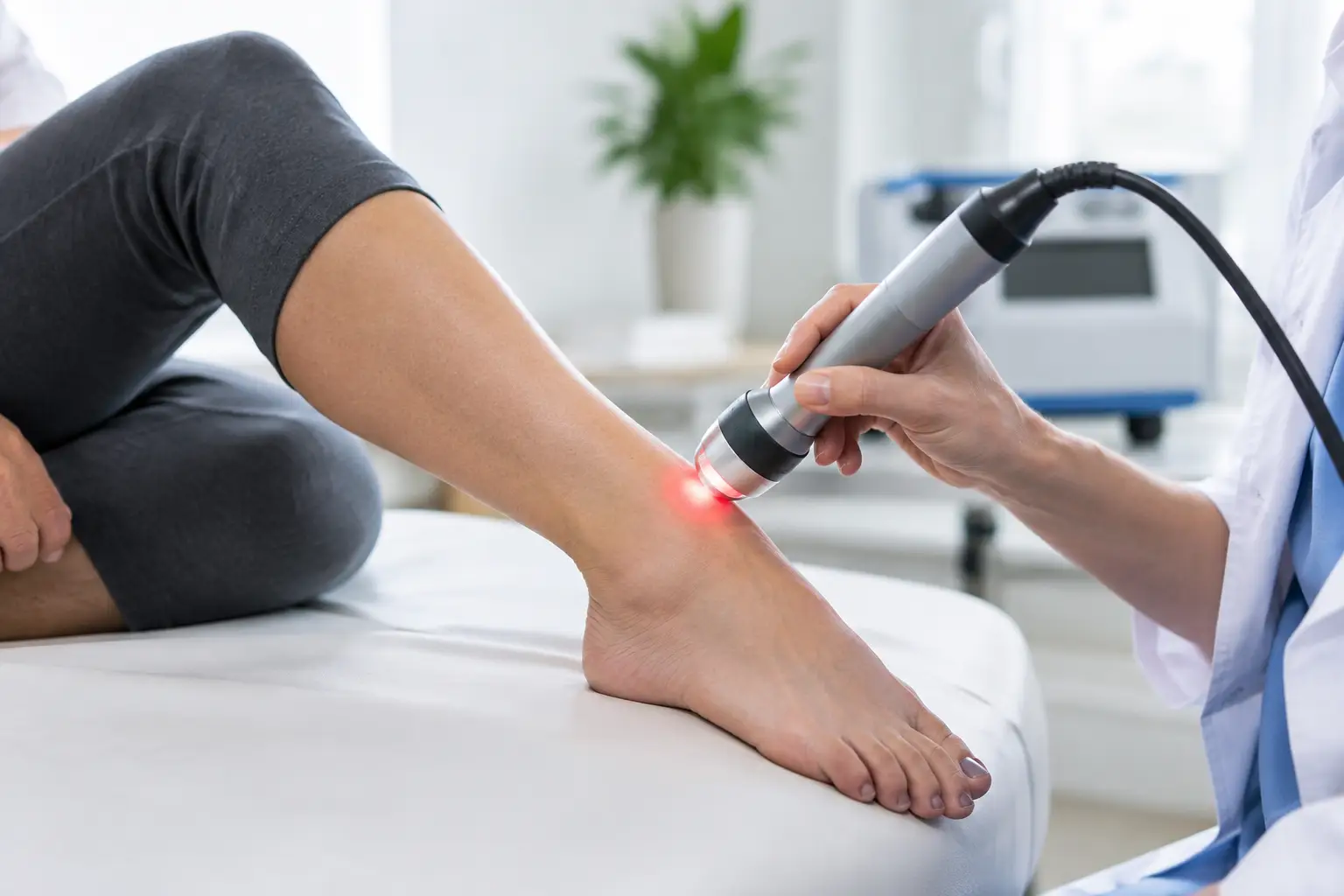
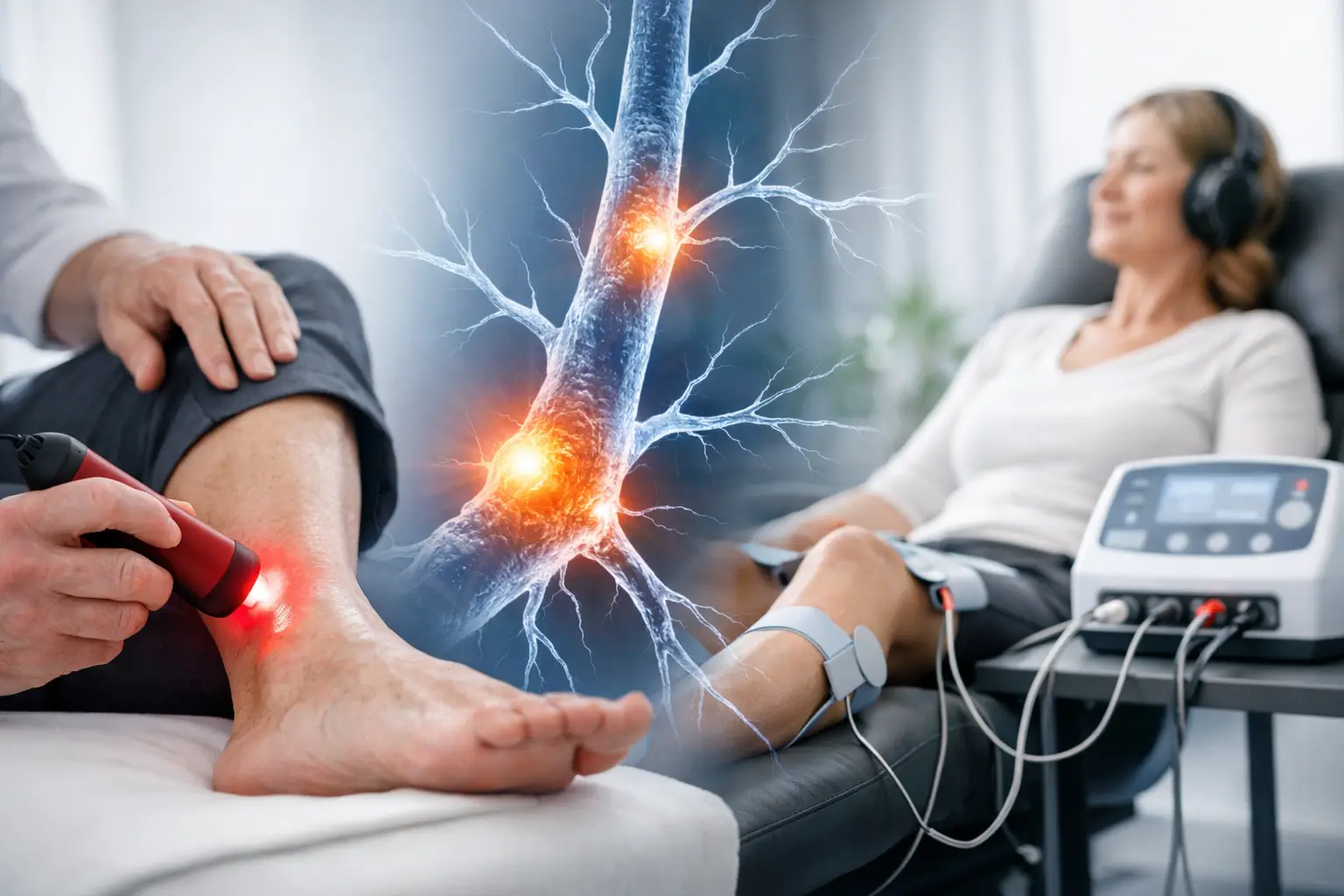
Advanced therapies may be considered as part of a broader non invasive neuropathy treatment plan. Laser therapy uses specific wavelengths of light with the goal of supporting cellular activity and reducing pain-related inflammation. It is generally comfortable and requires no injections or downtime.
Shockwave therapy delivers acoustic waves to targeted tissues and may be appropriate when chronic soft-tissue restrictions or pain patterns are contributing to impaired movement. It is not right for every type of neuropathy, and it should not be presented as a cure-all. The best use depends on the source of symptoms and the condition of the tissues being treated.
At Bell District Spine and Rehab, these therapies can be paired with hands-on care and structured rehabilitation rather than used as isolated treatments. That combination allows care to stay focused on practical goals: walking more comfortably, sleeping with fewer symptom interruptions, returning to exercise, or feeling steadier on the stairs.
Lifestyle and foot-care support
What happens between appointments matters. For people with diabetes or other metabolic conditions, working with their medical provider to manage blood sugar can be central to protecting nerve health. Nutrition, hydration, sleep, smoking cessation, and regular low-impact activity can also influence recovery and symptom control.
Daily foot checks are a sensible habit when numbness is present. Look for redness, blisters, cracks, swelling, or wounds, and wear properly fitting shoes that protect the feet without creating pressure points. If you cannot safely feel temperature, avoid heating pads or very hot water on numb areas.
When symptoms need medical attention first
Neuropathy-like symptoms can occasionally signal a more urgent problem. Seek prompt medical evaluation for sudden weakness, new loss of bladder or bowel control, rapidly progressing numbness, severe swelling, fever, a foot wound that is not healing, or symptoms that begin after a significant injury.
New numbness on one side of the body, facial drooping, trouble speaking, confusion, or sudden severe headache require emergency care. These symptoms are not situations to manage with home exercises or wait-and-see treatment.
Even when symptoms are gradual, it is wise to discuss them with a healthcare professional. Lab work or other testing may reveal a treatable underlying factor, such as a vitamin deficiency or blood sugar issue. Addressing the cause and supporting physical function are complementary parts of care.
Choosing a plan that fits your symptoms and goals
The right treatment plan depends on the pattern and cause of neuropathy. Someone with diabetes-related numbness may need ongoing medical management alongside balance training and foot-care guidance. Someone whose leg tingling is linked to low-back dysfunction may benefit more from mobility work, spinal care, and progressive strengthening.
Expect a conservative provider to explain what they are treating, why a therapy is being recommended, and how progress will be measured. Pain ratings matter, but so do functional changes: longer walks, better sleep, more stable footing, fewer breaks during work, or the ability to enjoy family activities again.
Relief may be gradual. Nerves can be slow to recover, and chronic symptoms rarely change overnight. Still, a personalized, drug-free approach can give many people a clear path forward without rushing toward invasive procedures.
If burning, numbness, or tingling is limiting how you move, do not let the symptoms become your new normal. A focused evaluation can clarify the next safest step and help build a plan around the activities that matter most to you.