A needle is a needle, right? Not necessarily. In a conversation about needling versus acupuncture, the tools can look similar, but the clinical goals, assessment process, and treatment approach may be very different. For someone dealing with persistent back tightness, a sports injury, neck pain, or limited mobility, understanding that distinction can make it easier to choose care that fits the problem.
Functional dry needling and acupuncture are both commonly used as conservative, non-medication-based options. Neither should be viewed as a one-size-fits-all solution. The most useful approach depends on your symptoms, health history, movement limitations, and the provider’s findings during an exam.
Needling Versus Acupuncture: The Core Difference
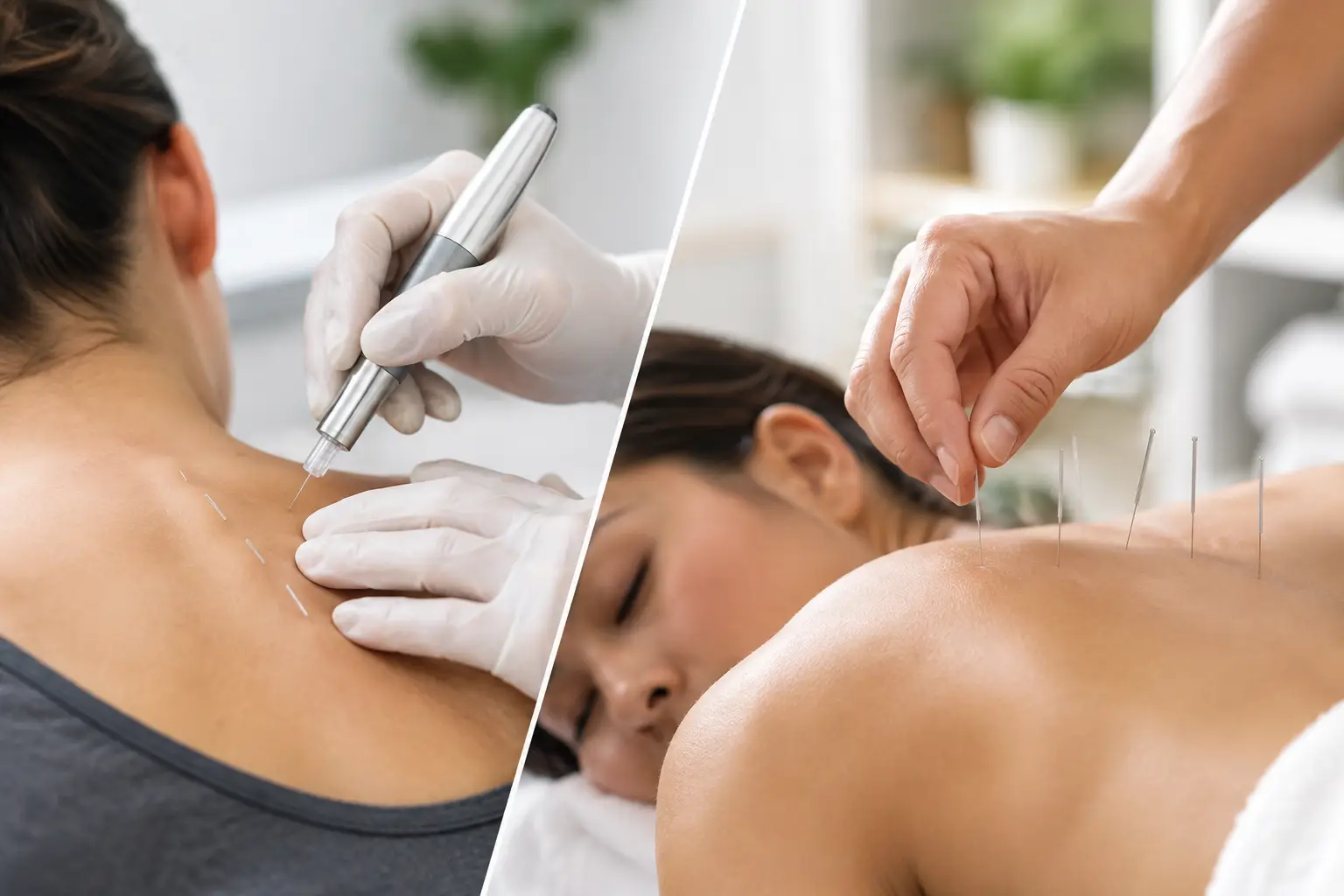
Acupuncture is a traditional form of medicine with roots in East Asian medical systems. Treatment generally involves placing very thin needles at selected points on the body to influence patterns of symptoms, support overall balance, and encourage the body’s healing response. Modern acupuncture providers may also describe treatment through a biomedical lens, such as pain modulation, nervous system regulation, or circulation.
Functional dry needling is a musculoskeletal treatment used by appropriately trained healthcare providers. It focuses on muscles, connective tissue, and sensitive areas commonly called trigger points. The provider assesses how a patient moves, identifies tissues that may be contributing to pain or restriction, and places a fine needle into a targeted area to help reduce muscular tension and improve function.
The word “dry” simply means that nothing is injected through the needle. There is no medication, steroid, or saline involved.
The overlap can be confusing because both approaches may use similar single-use, sterile filiform needles. The difference is less about the appearance of the needle and more about the clinical framework behind its use. Acupuncture is typically rooted in acupuncture diagnosis and point selection. Dry needling is generally built around anatomy, movement assessment, palpation, and rehabilitation goals.
What Functional Dry Needling Is Designed to Address
Muscles can become painful and guarded after an injury, repetitive strain, poor movement mechanics, prolonged sitting, or an overload in training. Sometimes that protective tension remains even after the original irritation has started to settle. A tight muscle may limit range of motion, alter how a joint moves, and make everyday activities harder than they should be.
Functional dry needling is often used when a clinician finds a muscular component to a patient’s pain or movement restriction. For example, a runner with hip pain may have overactive tissues around the hip and thigh that are changing their stride. A desk-based professional with recurring headaches may have significant neck and upper-back tension. Someone recovering from a low-back flare-up may be moving cautiously because certain muscles are staying guarded.
During treatment, a patient may feel a brief twitch response, a dull ache, pressure, or a short-lived cramping sensation. Responses vary. Some people notice freer movement shortly afterward, while others feel soreness similar to that experienced after a focused workout for a day or two.
Dry needling is rarely the entire plan at a rehabilitation-focused clinic. It can be a useful tool for creating a window of easier movement, but lasting progress usually requires follow-up care. Manual treatment, chiropractic adjustments when appropriate, corrective exercise, mobility work, and changes to the activities that aggravated the problem can help carry that improvement forward.
How Acupuncture May Support Pain and Wellness
Acupuncture treatment may be sought for pain, stress-related tension, headaches, sleep concerns, nausea, and a broad range of other symptoms. The point selection and treatment plan depend on the acupuncture provider’s training and evaluation. Needles may be placed near the area of discomfort, farther away from it, or in points selected according to the provider’s acupuncture framework.
Many people find acupuncture calming. Treatments are often performed with the patient resting quietly while the needles remain in place for a period of time. Some practitioners may also use methods such as electrical stimulation, heat, or manual needle techniques, depending on their training and the patient’s needs.
That does not mean acupuncture is only for relaxation, nor does it mean dry needling cannot affect the nervous system. Both can influence how the body experiences pain. The practical distinction is that dry needling is generally directed at a specific musculoskeletal finding, such as a restricted calf muscle affecting ankle motion or a trigger point contributing to shoulder pain.
Which Option Makes Sense for Your Symptoms?
If your primary concern is a clear movement-based problem, functional dry needling may be worth discussing as part of a broader rehabilitation plan. This can include pain linked to muscle tightness, reduced joint mobility, repetitive-use injuries, sports-related strain, and compensatory movement patterns.
If you are looking for care based on traditional acupuncture principles or seeking support for symptoms that extend beyond a localized musculoskeletal concern, acupuncture may be the more natural fit.
There are also situations where the answer is not either-or. A person may benefit from acupuncture provided by a licensed acupuncturist while also receiving rehabilitation for strength deficits, spinal mechanics, or an injury-related movement limitation. The key is coordination and a clear understanding of what each treatment is intended to accomplish.
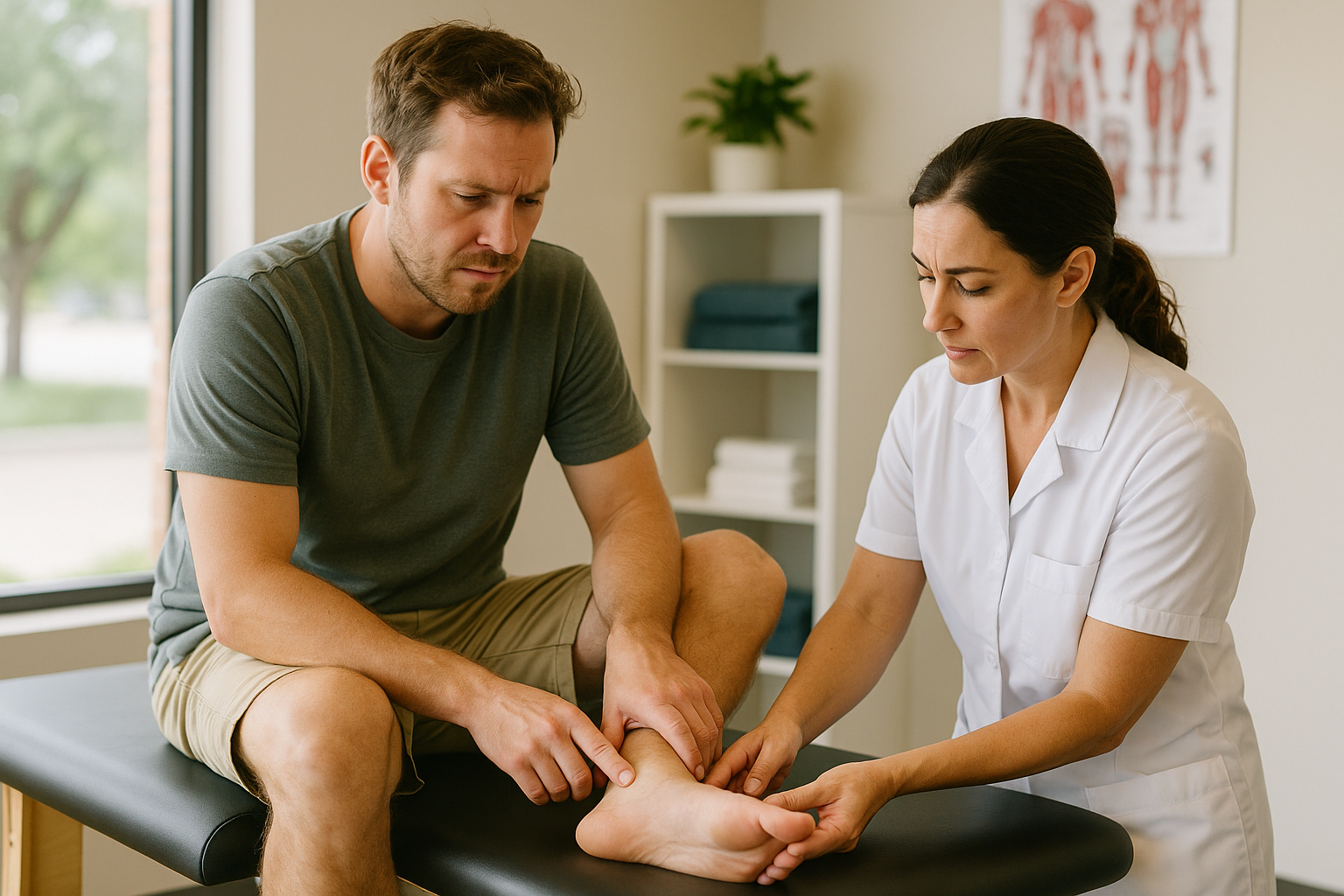
A careful examination should come before any recommendation. Pain in one area is not always caused by a problem in that exact location. For example, knee discomfort can be influenced by hip weakness, ankle stiffness, training volume, or the way the foot contacts the ground. Needling a sore muscle without addressing the larger pattern may bring temporary relief without producing the functional change you want.
What a Dry Needling Visit Can Look Like
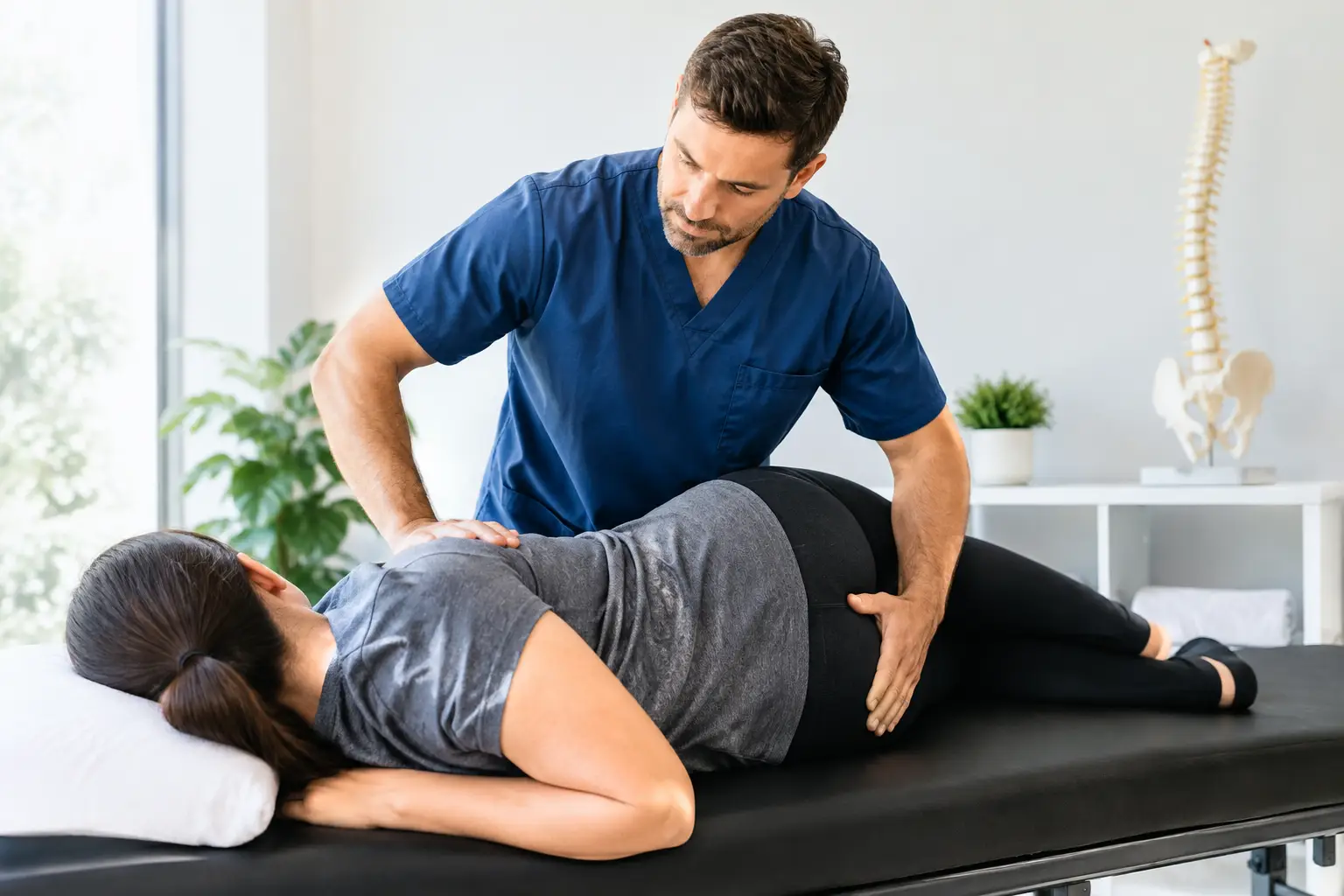
At Bell District Spine and Rehab, functional dry needling is considered in the context of the full musculoskeletal picture. The process starts with listening to your symptoms and understanding what aggravates them. Your provider may assess posture, range of motion, strength, joint function, and movement patterns before deciding whether needling is appropriate.
If it is included in your care plan, the targeted treatment is typically brief. The area is cleaned, and the provider uses sterile, single-use needles. The number of sites treated depends on the condition, your tolerance, and the treatment goals. Needling may be followed by movement, stretching, hands-on therapy, or rehabilitation exercises while the treated tissues are more receptive to motion.
A good plan also accounts for what happens between appointments. If a shoulder becomes painful every time you reach overhead at work or train at the gym, the answer is not simply repeated treatment. It is identifying the load, mobility restriction, weakness, or technique issue that is keeping the problem active.
Safety, Side Effects, and Questions to Ask
Both acupuncture and dry needling involve skin penetration, so professional training, clean technique, and a thorough health screening matter. Temporary soreness, minor bruising, fatigue, or lightheadedness can occur. More serious complications are uncommon, but no procedure is completely risk-free.
Tell your provider about blood-thinning medication, a bleeding disorder, pregnancy, immune concerns, a history of fainting with needles, recent surgery, skin infections, or any significant medical diagnosis. Some areas may need to be avoided, and some patients may be better served by another type of treatment.
It is reasonable to ask direct questions before moving forward: What is this treatment targeting? Why do you think it fits my condition? What should I expect afterward? How will it be combined with rehabilitation or other care? A qualified provider should be able to explain the recommendation in plain language and respect your comfort level.
The Goal Is Better Movement, Not Just a Needle Treatment
The debate around needling versus acupuncture can become overly focused on terminology. For patients, the more meaningful question is whether the treatment is being used thoughtfully and for a defined purpose. Relief matters, especially when pain has interrupted work, sleep, exercise, or time with family. But relief that supports stronger, more confident movement is often the more durable outcome.
If muscle tension is one part of what is limiting you, targeted needling may help create a useful starting point. Pairing that opportunity with a personalized plan for mobility, strength, and healthier movement can help you return to the activities that make life feel like yours again.