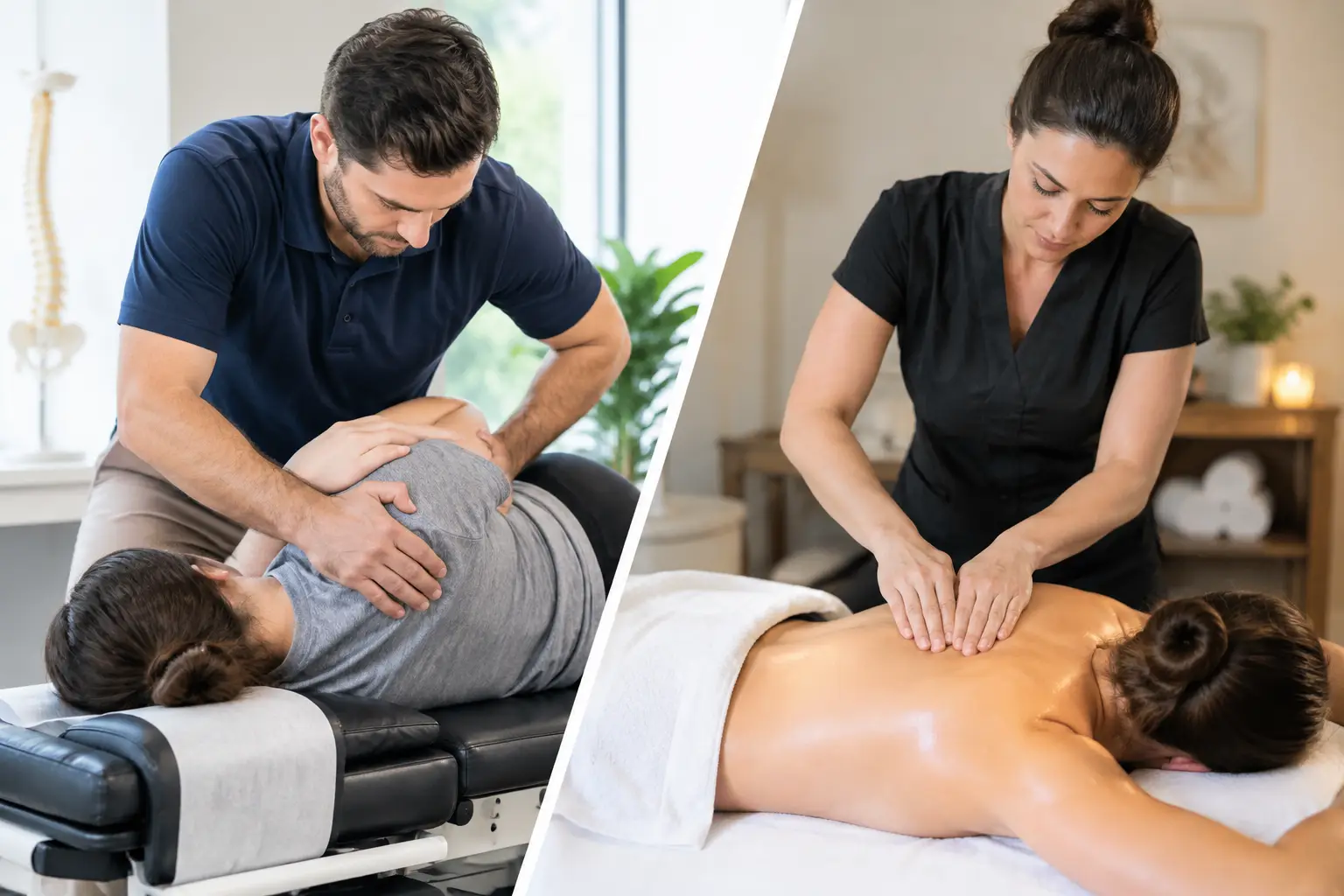

A painful first step out of bed, numbness down the leg during a commute, or a shoulder that will not tolerate lifting can make even simple routines feel uncertain. A guide to personalized rehab plans starts with a different question than “Where does it hurt?” It asks what is limiting your movement, why it is happening, and what you need to return to work, exercise, family activities, and daily life with more confidence.
For many people in Cedar Park and nearby communities, the goal is not simply a temporary reduction in pain. It is a clear, conservative path forward that improves mobility, builds capacity, and reduces the chance that the same problem keeps returning. Personalized rehabilitation brings assessment, hands-on care, targeted exercise, and appropriate technology together around that goal.
What Makes a Rehab Plan Personalized?
A personalized plan is not a handout of generic stretches with a new patient’s name at the top. It is a treatment strategy built from your symptoms, medical history, movement patterns, activity demands, and response to care. Two people can have low back pain and need very different approaches. One may be dealing with disc-related irritation and leg symptoms after prolonged sitting. Another may have limited hip mobility, weak trunk control, and pain that develops after weekend yardwork.
The diagnosis matters, but so does the full picture. A clinician should consider when symptoms began, what movements aggravate or relieve them, prior injuries, work setup, exercise habits, sleep, and the activities you want to resume. Movement analysis can reveal compensation patterns that are not obvious when you are resting on an exam table.
A useful plan also sets functional goals. Pain scores can help track progress, but they are not the whole story. Goals may include sitting through a meeting without tingling, carrying a child without a flare-up, walking farther with less knee pain, returning to tennis, or getting through a work shift without relying on medication.
The Guide to Personalized Rehab Plans: Start With Assessment
The first phase is about identifying the drivers of the problem and making sure conservative musculoskeletal care is appropriate. A thorough evaluation may include a health history, orthopedic and neurologic testing when indicated, posture and movement assessment, range-of-motion measurements, and strength testing.
This process helps separate symptoms from contributing factors. Sciatica-like pain, for example, may involve irritation along the nerve pathway, but the treatment plan also needs to address the mechanical and movement factors affecting the lower back, hips, and trunk. Knee pain can be influenced by joint irritation, muscle weakness, foot and hip mechanics, or an activity load that increased too quickly.
Assessment should also identify situations that need additional medical evaluation. New bowel or bladder changes, severe or progressing weakness, unexplained fever, significant trauma, or other concerning symptoms require prompt medical attention. A responsible rehab plan includes knowing when to refer, not trying to treat every problem the same way.
Build Care Around the Stage of Recovery
Rehabilitation changes as your body changes. Trying to strengthen aggressively when pain is highly irritable can set recovery back. On the other hand, relying only on passive care once symptoms have calmed may not prepare you for real-life demands.
Early care: calm symptoms and protect movement
In the early stage, the priority is often to reduce pain, improve tolerable motion, and avoid further aggravation. Depending on your condition, care may include chiropractic adjustments, gentle manual therapy, soft tissue techniques, spinal or knee decompression, laser therapy, or shockwave therapy. These services are not interchangeable, and not every patient needs every option.
For example, spinal decompression may be considered for some patients with disc-related low back pain or radiating symptoms, while shockwave therapy may be more appropriate for certain chronic tendon conditions. The right choice depends on the diagnosis, tissue involved, symptom behavior, and clinical findings.
Early exercises are usually simple and specific. They may focus on controlled breathing, gentle mobility, nerve mobility, or low-load activation. The purpose is not to push through pain. It is to give the body a safe, repeatable way to begin moving again.
Middle care: restore control, strength, and tolerance
As pain settles and movement improves, rehabilitation shifts toward building control and capacity. This can include progressive strengthening, balance work, core and hip stability training, mobility drills, and movement retraining. Functional dry needling or hands-on treatment may still be used when clinically appropriate, but active rehab becomes increasingly central.
This phase should resemble the activities you need to do. A runner needs more than the ability to lie on a table without pain. They need single-leg control, calf and hip strength, and a gradual return to impact. A warehouse employee needs safe lifting mechanics and endurance. An older adult recovering from a flare-up may need improved balance, leg strength, and confidence with stairs.
A good program challenges you without creating a major symptom spike that lasts for days. Mild muscle soreness can be expected with new activity. Sharp pain, growing numbness, noticeable weakness, or worsening symptoms after each session should be reported so the plan can be adjusted.
Late care: return to the demands that matter
The final stage prepares you for normal life rather than only for the clinic. Exercises become more functional, loads increase gradually, and progress is measured against your personal goals. That may mean practicing rotational strength for golf, building overhead tolerance for a job, or developing lower-body strength for getting up from the floor and playing with grandchildren.
This stage also includes a maintenance strategy. Some conditions resolve quickly after an acute injury. Others, including degenerative joint changes or recurring back pain, may need ongoing strength work and occasional reassessment. Long-term wellness does not mean never feeling discomfort again. It means knowing how to manage early warning signs and having the physical capacity to stay active.
Why Exercise Alone Is Not Always Enough
Home exercise is a vital part of many rehab plans, but it is not always sufficient by itself. If pain is limiting movement, hands-on treatment and other non-invasive therapies may help create a more comfortable window for exercise. If a patient is doing the right exercises with poor form or the wrong dosage, movement analysis and coaching can make the program more effective.
At the same time, passive treatments alone rarely address every contributing factor. Adjustments, decompression, laser therapy, and soft tissue work can be valuable tools, but lasting results typically require active participation. The goal is to help you move better outside the clinic, not make you dependent on repeated treatment.
The balance depends on the condition. An acute flare-up may need more symptom-focused care at first. A long-standing shoulder, knee, or back problem may require more emphasis on progressive loading and habit changes. Your plan should explain why each recommendation is being made and how it supports the next step in recovery.
What You Can Expect From Your Home Program
The best home program is realistic. A plan that requires an hour every day may be appropriate for some athletes, but it is not practical for every working parent or busy professional. Consistency with a focused 10- to 20-minute routine often produces better results than an overly ambitious program that is abandoned after a week.
Your exercises should come with clear instructions on frequency, repetitions, resistance, and acceptable symptom levels. As you improve, the program should change. Repeating the same low-level exercises long after they stop being challenging can stall progress.
It also helps to connect rehab to routines you already have. Completing mobility work before a shower, doing prescribed movements after a walk, or keeping resistance bands near your workspace can reduce the friction that causes people to skip exercises. Small, consistent actions build the foundation for stronger movement.
How Progress Should Be Measured
Feeling better matters, but measurable changes help show whether the plan is working. Progress can include increased range of motion, improved strength, better balance, reduced frequency of flare-ups, or a greater ability to tolerate work and recreation.
A patient with headaches related to neck tension may track headache frequency and the ability to work at a computer. Someone recovering from knee pain may track stair tolerance, walking distance, and squat control. These markers give the clinician useful information and help you see gains that can be easy to overlook during a busy week.
If progress plateaus, the answer is not automatically more of the same. The plan may need a different exercise progression, a closer look at recovery habits, an adjustment in activity volume, or further evaluation. Personalized care means adapting to real results, not following a fixed calendar.
A Plan Should Give You a Clear Next Step
At Bell District Spine and Rehab, personalized care is designed to combine chiropractic expertise, modern rehabilitation, and practical guidance for everyday movement. Whether pain began after a sports injury, years of desk work, a lifting incident, or gradual wear and tear, the right plan should give you a clear reason for each step of care.
The most helpful starting point is an evaluation that takes your symptoms seriously while keeping your larger goals in view. Recovery is rarely about finding one perfect treatment. It is about building a plan that helps you move with less pain, regain trust in your body, and return to the parts of life you do not want to keep missing.